

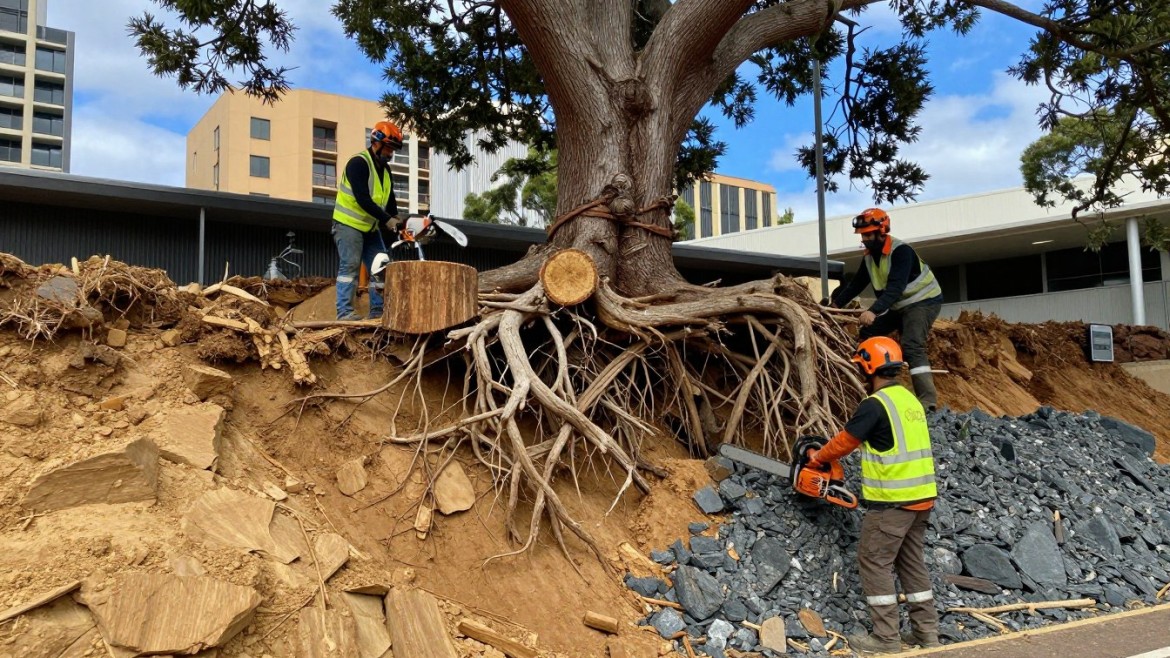
When it comes to Tree Removal Sydney, understanding the local soil types and their impact on root management is crucial. We need to be aware of the unique challenges posed by our local soil conditions, such as sandstone and shale, which affect tree removal and the techniques used for root management.
Different soil types influence the longevity of roots after tree removal. For instance, dry and compacted soils can lead to faster root decomposition, while moist and well-drained soils support longer root life. As residents of Sydney, we must consider these factors when undertaking Sydney Tree Removal projects.
Key Takeaways
- Soil type significantly impacts root management after tree removal.
- Dry, compacted soils lead to faster root decomposition.
- Moist, well-drained soils support longer root life.
- Understanding local soil conditions is crucial for effective tree removal.
- Professional arborists can help manage root longevity and decomposition concerns.
Introduction to Tree Removal in Sydney
Tree removal in Sydney is a complex process that involves more than just cutting down trees. It requires a comprehensive understanding of the tree’s relationship with its environment, particularly the soil it grows in. Our team of arborists in Sydney recognizes the importance of considering soil type when removing trees to ensure the process is done safely and effectively.
The soil type plays a significant role in tree health and stability. Different soils have varying characteristics that affect root growth, nutrient availability, and water retention. For instance, Sydney’s sandstone soils tend to be well-draining but nutrient-poor, while shale soils are generally more fertile but may retain more water.
Importance of Soil Type
Understanding the soil type is crucial for effective tree removal. Soil type influences root development, and knowing this helps arborists predict how a tree might react to removal. For example, trees in sandy soils may have deeper roots, while those in clay soils might have more spread-out root systems.
- Soil type affects root growth patterns.
- Different soils have varying nutrient availability.
- Soil characteristics influence water retention and drainage.
Impact on Tree Health
The health of a tree is closely linked to its soil environment. Soil conditions can either support or hinder tree growth. For instance, poor drainage can lead to root rot, while nutrient deficiencies can cause stress to the tree. Our arborists assess these factors to determine the best approach for tree removal.
When removing trees, it’s essential to consider the potential impact on the surrounding soil and ecosystem. This includes assessing the risk of soil erosion, damage to nearby plants, and the potential for regrowth from remaining roots.
By understanding the importance of soil type and its impact on tree health, we can develop effective strategies for tree removal that minimize risks and promote a healthy environment.
Different Soil Types in Sydney
Understanding the different soil types in Sydney, such as sandstone and shale, is essential for effective tree removal and management. The diverse soil landscape in Sydney plays a crucial role in tree growth, health, and removal processes.
Overview of Sandstone Soils
Sandstone soils are prevalent in Sydney and have distinct characteristics that impact tree growth. These soils are generally:
- Well-draining
- Low in nutrients
- Capable of supporting deep root growth
When undertaking Tree Pruning Sydney services, it’s crucial to consider the impact of sandstone soils on tree health. Trees in sandstone soils often develop deep root systems, which can complicate removal processes. For more information on soil classifications, visit Houspect’s soil classification guide.
Characteristics of Shale Soils
Shale soils, another common type in Sydney, have different characteristics compared to sandstone soils. Key features include:
- Higher clay content, leading to poorer drainage
- Better nutrient retention
- Potential for root growth restriction due to compaction
In areas with shale soils, Emergency Tree Removal services may be required more frequently due to the potential for soil compaction and root damage. Understanding these soil characteristics is vital for effective tree management.
By recognizing the unique properties of sandstone and shale soils, we can better manage tree health and removal processes in Sydney. This knowledge is crucial for arborists and homeowners alike, ensuring that tree removal is carried out safely and efficiently.
How Soil Type Affects Root Growth
Understanding how different soil types affect root growth is essential for arborists and homeowners in Sydney who need to consider Tree Cutting Sydney and Stump Removal Sydney. The type of soil a tree grows in significantly influences its root system, impacting the approach to tree removal and stump removal.
Soil type plays a crucial role in determining the structure and development of a tree’s root system. Different soils provide varying levels of nutrients, water, and support, which in turn affect root growth. In Sydney, the primary soil types are sandstone and shale, each presenting unique challenges and opportunities for root development.
Sandstone vs. Shale Root Systems
Trees growing in sandstone soils tend to develop deeper root systems compared to those in shale soils. Sandstone, being more porous, allows roots to penetrate deeper in search of water and nutrients. In contrast, shale soils are denser and can restrict root growth, leading to a more shallow root system.
Sandstone soils, with their higher porosity, facilitate healthier root growth by allowing better water infiltration and aeration. On the other hand, shale soils, while capable of supporting robust tree growth, often result in roots that are more laterally spread rather than deeply rooted.
Nutrient Availability
Nutrient availability is another critical factor influenced by soil type, directly impacting root growth. Sandstone soils may require more frequent fertilization due to their lower nutrient retention, whereas shale soils can be more fertile, supporting root development with a richer nutrient supply.
The availability of nutrients such as nitrogen, phosphorus, and potassium varies between sandstone and shale soils. Understanding these differences is crucial for effective tree care and Stump Removal Sydney, as nutrient-rich soils can lead to healthier trees with more robust root systems.
When planning Tree Cutting Sydney, it’s essential to consider the soil type and its impact on root growth. By understanding these factors, arborists can adopt more effective strategies for tree removal and stump removal, ensuring minimal disruption to the surrounding soil and environment.
Challenges in Tree Removal
Sydney’s diverse soil landscape presents a unique set of challenges for tree removal, requiring a nuanced understanding of soil stability and root integrity. As Arborist Sydney professionals, we have encountered various complexities that arise during the tree removal process.
Soil Stability and Root Integrity
One of the primary challenges in tree removal is maintaining soil stability while ensuring the integrity of the root system. Different soil types, such as sandstone and shale, have distinct characteristics that affect how roots grow and how soil holds together during removal.
- In sandstone soils, roots tend to grow deeper, making it challenging to remove the tree without causing significant soil disturbance.
- Shale soils, on the other hand, can be more prone to cracking, which may lead to root damage and soil instability during tree removal.
Seasonality and Soil Conditions
Seasonality and soil conditions also play a crucial role in the challenges faced during tree removal. For instance, removing trees during wet conditions can be particularly difficult due to the increased risk of soil erosion and root damage.
“The timing of tree removal is critical, as it can significantly impact the ease and safety of the operation.” – Expert Arborist
Our team of experts at Tree Removal Sydney understands the importance of assessing soil conditions before proceeding with tree removal. We consider factors such as soil moisture, root depth, and the potential for soil erosion to determine the best approach.
By understanding these challenges and employing the right techniques, we can ensure that tree removal is carried out safely and efficiently. Whether it’s dealing with the complexities of different soil types or navigating the impact of seasonality, our team is equipped to handle the unique demands of tree removal in Sydney.
Best Practices for Managing Roots
Effective root management is crucial for the successful removal of trees, particularly in a city like Sydney where the soil composition can vary significantly. Our team understands the importance of adapting root management techniques to the specific soil type to minimize disturbance and ensure safety.
Techniques for Sandstone Soils
Sandstone soils, common in Sydney, require careful handling due to their tendency to be brittle and prone to crumbling. When managing roots in sandstone soils, it’s essential to:
- Use precise excavation techniques to avoid damaging surrounding soil and roots.
- Employ gentle root pruning methods to minimize shock to the tree and surrounding soil.
- Consider the use of specialized equipment designed for navigating hard, rocky soils.
Techniques for Shale Soils
Shale soils, known for their dense and sometimes expansive nature, present unique challenges for root management. Techniques for managing roots in shale soils include:
- Conducting thorough assessments to understand the root system’s extent and depth.
- Utilizing appropriate cutting tools that can handle the density of shale soils without causing undue damage.
- Adopting a staged removal approach to manage the tree’s removal in sections, reducing the risk of soil instability.
Our team at Tree Services Sydney is equipped with the knowledge and tools necessary for effective root management. Here’s an example of our work: 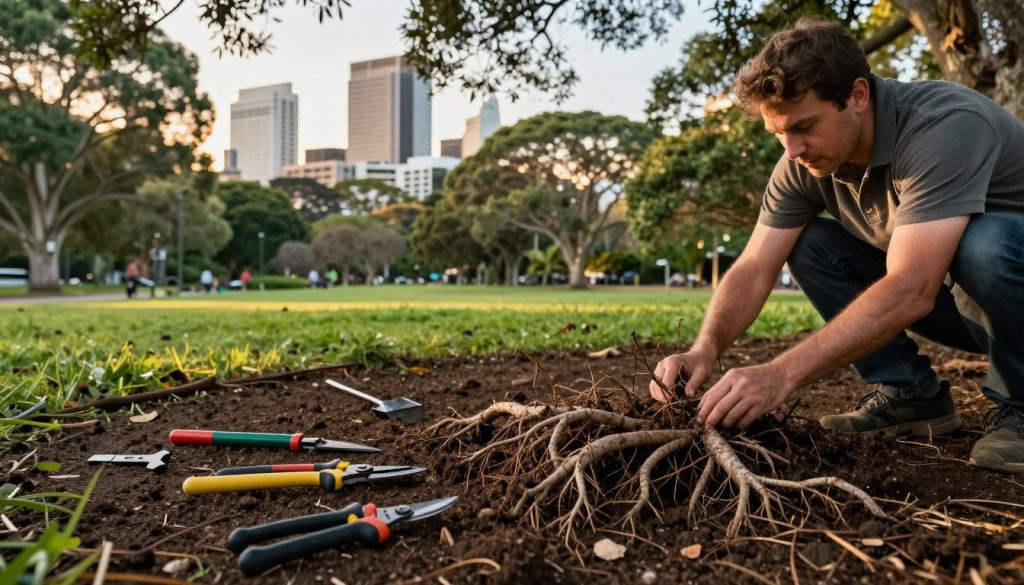
By employing these best practices for managing roots in different soil types, we can ensure that tree removal is carried out safely and efficiently. Whether it’s sandstone or shale soils, our team is committed to providing Tree Pruning Sydney services that meet the highest standards.
Tree Removal Techniques in Sydney
In Sydney, the need for effective tree removal techniques is paramount due to the city’s diverse landscape and varying environmental conditions. Sydney’s diverse landscape demands a range of tree removal techniques, from traditional to modern methods.
Tree removal is not just about cutting down trees; it’s about doing so in a way that is safe, efficient, and environmentally responsible. We employ a variety of techniques to ensure that tree removal is carried out with minimal impact on the surrounding environment.
Traditional Methodologies
Traditional tree removal methodologies involve manual cutting and rigging techniques. These methods have been used for decades and are effective for many types of tree removal jobs.
Some of the traditional techniques include:
- Roping and rigging to control the direction of the tree fall
- Manual cutting using chainsaws and other handheld tools
- Use of pulleys and levers to maneuver heavy branches
Modern Approaches
Modern tree removal techniques incorporate advanced technology and equipment to improve safety and efficiency. These modern approaches are particularly useful for complex or large-scale tree removal projects.
Some of the modern techniques we use include:
- Aerial lift equipment for accessing high branches
- Crushing and chipping machinery to process tree debris
- Advanced rigging systems for precise control over tree removal
By combining traditional methodologies with modern approaches, we can provide comprehensive tree removal services that meet the unique needs of Sydney’s residents and businesses.
Our team is equipped to handle emergency tree removal situations, ensuring that trees are removed safely and efficiently, even in urgent circumstances.
Regulatory Considerations in Sydney
In Sydney, tree removal is subject to various local guidelines and environmental regulations. Understanding these regulations is essential for homeowners and businesses to ensure compliance and avoid potential penalties.
Local Guidelines for Tree Removal
Sydney’s local government has established guidelines for tree removal to protect the city’s environment and heritage. These guidelines include assessing the tree’s condition and significance, determining if the tree is protected under local laws, and obtaining necessary permits before removal.
- Assessing the tree’s condition and significance
- Determining if the tree is protected under local laws
- Obtaining necessary permits before removal
Our team is well-versed in these guidelines and can assist in navigating the process to ensure that all requirements are met.
Permits and Environmental Impact
Tree removal in Sydney often requires permits, especially if the tree is considered significant or is located in a heritage area. The environmental impact of tree removal is also a significant consideration, with assessments conducted to determine potential effects on the local ecosystem.
Some key factors considered in environmental impact assessments include:
- The tree’s role in the local ecosystem
- Potential effects on soil stability and erosion
- Impact on local wildlife habitats
By understanding these factors, we can develop strategies for Tree Cutting Sydney and Stump Removal Sydney that minimize environmental impact.
Tools and Equipment for Tree Removal
When it comes to tree removal, arborists in Sydney rely on a range of specialized equipment to ensure the job is done safely and efficiently. The type of equipment used can vary significantly depending on the soil type, tree size, and location. At our tree services company, we utilize the latest technology and equipment to provide effective tree removal solutions.
Specialized Equipment for Different Soils
Different soil types require different approaches to tree removal. For instance, sandstone soils, which are common in Sydney, demand robust equipment that can handle hard, rocky terrain. On the other hand, shale soils may require equipment that can navigate softer, more unstable ground.
- For sandstone soils, we use heavy-duty machinery like rock saws and stump grinders.
- For shale soils, we often employ equipment that can handle softer grounds, such as backhoes and trenchers.
Safety Gear and Best Practices
Safety is paramount in tree removal. We adhere to strict safety protocols, including the use of personal protective equipment (PPE) such as helmets, gloves, and safety glasses. For more information on safe tree removal practices, you can visit our page on Tree Removal Sydney: Cost, Safety, and Hiring the Right.
Our team is trained in the latest safety procedures and is equipped with the necessary gear to ensure a safe working environment. This includes:
- Conducting thorough risk assessments before commencing work.
- Using appropriate safety gear, including harnesses and ropes.
- Maintaining clear communication among team members during operations.
By combining the right equipment with rigorous safety practices, we ensure that tree removal is carried out efficiently and safely. Our commitment to using the best tools and techniques makes us a trusted Arborist Sydney service provider.
Professional Tree Removal Services
Professional tree removal services in Sydney offer a range of benefits, from safety to environmental considerations. When faced with the task of removing a tree, whether due to disease, damage, or other reasons, hiring experts is often the best course of action. Our team provides professional tree removal services tailored to your needs, ensuring that the job is done efficiently and safely.
Benefits of Hiring Experts in Sydney
Hiring experts in Sydney for tree removal comes with several benefits. Firstly, professionals have the necessary training and equipment to handle tree removal safely, reducing the risk of accidents. Secondly, they can assess the tree’s condition and determine the best removal method, considering factors like soil type and surrounding structures.
- Safety: Professionals are trained to handle hazardous situations.
- Efficiency: Experts can complete the job quickly, saving you time.
- Environmental Consideration: They ensure that the removal process minimizes environmental impact.
Tips for Selecting the Right Service
When selecting a tree removal service in Sydney, there are several factors to consider. It’s essential to choose a service that is licensed, insured, and has a good reputation. We recommend checking online reviews and asking for referrals from friends or family.
- Check for licenses and insurance.
- Look for services with experience in your area.
- Read reviews and ask for referrals.
- Get multiple quotes to compare prices.
By hiring professional tree removal services in Sydney, you can ensure that the job is done safely and efficiently. Our team is committed to providing high-quality service, tailored to your specific needs.
Maintenance After Tree Removal
Once a tree is removed, it’s essential to focus on soil restoration to prevent erosion and promote new growth. We understand the importance of maintaining the health of your landscape after tree removal.
Soil Restoration Techniques
Soil restoration involves several techniques to revitalize the soil. We recommend adding organic matter like compost or mulch to improve soil structure and fertility. This process helps in enhancing nutrient availability and supports the growth of new plants. Additionally, we suggest conducting soil tests to determine its pH level and nutrient content, allowing for targeted amendments.
For properties in Sydney, incorporating native plants can be beneficial as they are adapted to the local soil conditions. Our team can guide you on the best practices for soil restoration, including Tree Pruning Sydney services if you’re planning to retain other trees on your property.
Long-term Planning for New Growth
Long-term planning is crucial after tree removal in Sydney. We advise considering the space left by the removed tree and planning for new growth that complements your existing landscape. This might involve selecting the right plants or trees that are suitable for your soil type and climate. Our experts can help you with Stump Removal Sydney services and provide advice on replanting.
By focusing on soil health and planning for new growth, you can ensure that your landscape remains vibrant and healthy. We are committed to helping you achieve this through our comprehensive tree care services.
Conclusion: Choosing the Right Approach for Tree Removal
Understanding the impact of soil type on tree removal is crucial for effective tree management in Sydney. We have explored how different soil types, such as sandstone and shale, affect root growth and the challenges associated with tree removal.
Practical Considerations for Homeowners
For homeowners in Sydney, choosing the right approach for tree removal involves considering the soil type and its impact on root systems. When dealing with trees in sandstone soils, specialized equipment may be required due to the dense nature of the soil. In contrast, shale soils may require different techniques to manage root integrity.
Effective Tree Removal Strategies
When it comes to Tree Cutting Sydney, hiring professionals who understand the local soil conditions is essential. They can provide Emergency Tree Removal services that are both safe and effective. By understanding the soil type and its implications, homeowners can make informed decisions about tree removal and subsequent soil restoration techniques.
We recommend consulting with experts in tree removal to ensure that the job is done correctly, taking into account the specific soil conditions and regulatory requirements in Sydney.