

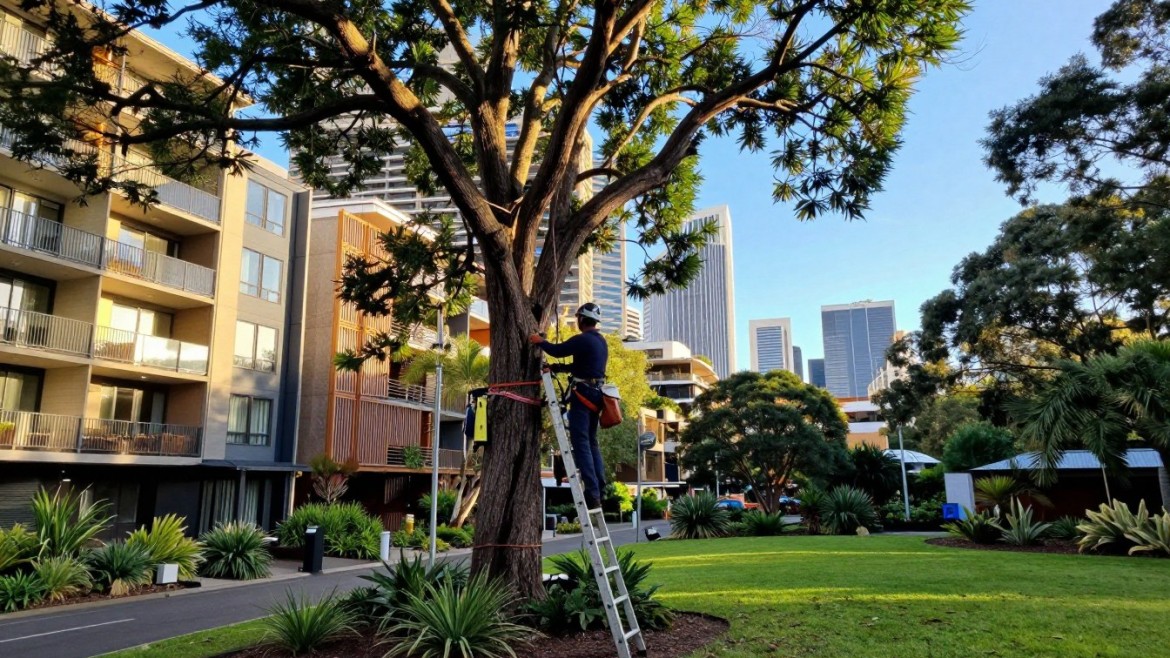
As apartment owners in Sydney, we often wonder how strata by-laws affect the rules regarding tree management on our properties. Understanding these by-laws is crucial for maintaining harmony within our apartment buildings.
Strata by-laws play a significant role in governing the decisions related to tree services and maintenance. We will explore the intricacies of these by-laws and their impact on our properties.
By examining the specifics of strata by-laws, we can better understand how they influence tree removal decisions in apartment buildings.
Key Takeaways
- Strata by-laws significantly impact tree management in apartment buildings.
- Understanding these by-laws is essential for apartment owners.
- Tree services are governed by strata by-laws.
- Apartment owners must consider strata by-laws when making decisions about tree removal.
- Strata by-laws help maintain harmony within apartment buildings.
Understanding Strata By-Laws
Strata by-laws are the backbone of strata-titled property management, outlining the rules and regulations for maintaining harmony among owners. These by-laws are crucial for governing the management and maintenance of strata-titled properties, ensuring that all aspects, including tree management, are handled appropriately.
What Are Strata By-Laws?
Strata by-laws are essentially the rules that govern the strata-titled properties, covering a wide range of aspects from noise levels to the maintenance of common areas. They are designed to maintain order and ensure that the property is well-maintained. For instance, by-laws may specify the procedures for tree cutting or the installation of new fixtures in apartments.
These by-laws are created and amended by the strata scheme’s owners corporation, often with the assistance of a strata manager. It’s essential for apartment owners to understand these by-laws to avoid any potential disputes or breaches.
Importance of Strata By-Laws
The importance of strata by-laws cannot be overstated. They provide a framework for the smooth operation of the strata scheme, helping to prevent conflicts among owners. By-laws also play a critical role in maintaining the aesthetic and functional integrity of the property, including the management of trees and other landscaping elements.
“Strata by-laws are vital for maintaining harmony and ensuring that the property is well-maintained, which in turn can enhance the overall living experience for residents.”
By having clear and comprehensive by-laws, strata schemes can avoid many common issues that arise from misunderstandings or lack of clear guidelines.
How They Affect Tree Management
Strata by-laws directly impact how trees are managed within the strata scheme. For example, by-laws may dictate when tree removal is necessary, the process for requesting such removal, and who is responsible for the costs associated with tree care. In some cases, the by-laws may require the consultation of a professional arborist to assess the health and safety of trees.
- Regulations regarding tree pruning and removal
- Responsibilities of owners versus the strata corporation
- Procedures for consulting with arborists
Understanding these aspects of strata by-laws is crucial for making informed decisions about tree management, ensuring that the trees on the property are maintained in a way that is safe, aesthetically pleasing, and compliant with the by-laws.
Tree Removal Regulations in Sydney
For apartment owners in Sydney, knowing the regulations surrounding tree removal is vital. Sydney has specific rules governing tree removal, which are essential to comprehend to avoid potential penalties and ensure compliance with local laws.
Overview of Tree Removal Laws
Tree removal in Sydney is regulated by various laws and guidelines that dictate how and when trees can be removed. The Environmental Planning and Assessment Act 1979 and the Local Government Act 1993 are key pieces of legislation that influence tree removal practices. Understanding these laws is crucial for strata committees and apartment owners to make informed decisions about tree management.
Who Is Responsible for Tree Removal?
The responsibility for tree removal typically falls on the property owner or the strata committee, depending on the location and ownership of the tree. For trees located within common areas, the strata committee is usually responsible for deciding on and managing tree lopping or removal. However, for trees on private property, the individual owner is responsible.
Common Reasons for Tree Removal
Trees may be removed for various reasons, including emergency tree removal due to storm damage or disease, and to prevent potential hazards. Other reasons include improving the aesthetic appeal of the property, enhancing sunlight penetration, and addressing root damage to infrastructure. After tree removal, stump removal is often necessary to restore the area fully.
- Disease or pest infestation
- Storm or weather damage
- Aesthetic or landscaping reasons
- Root damage to infrastructure
Strata Committee’s Role in Tree Management
Tree management is a significant aspect of strata committee responsibilities, impacting both property value and resident safety. The strata committee plays a vital role in ensuring that trees within the complex are managed effectively, balancing the needs of individual residents with the overall well-being of the community.
Decision-Making Process
The decision-making process for tree removal involves several key steps. First, the strata committee must assess the tree’s condition, considering factors such as its health, potential risks, and aesthetic value. This assessment is typically carried out by a professional arborist, ensuring that decisions are informed by expert opinion.
- Identify the tree in question and its location within the complex.
- Assess the tree’s health and potential risks to residents and property.
- Consider the tree’s aesthetic and environmental value.
- Consult with residents and gather feedback.
- Make a decision based on the assessment and feedback received.
For more information on the importance of hiring professional tree services, you can visit Triple Tree Services, a reputable provider of tree removal services in Sydney.
Communicating with Apartment Residents
Effective communication is crucial in the decision-making process. The strata committee must keep residents informed about proposed tree removals, explaining the reasons behind their decisions and addressing any concerns residents may have. This can be achieved through various channels, including:
- Regular newsletters or emails to keep residents updated.
- Meetings with residents to discuss proposals and gather feedback.
- Posting notices in common areas of the apartment complex.
By maintaining open lines of communication, the strata committee can ensure that residents feel involved in the decision-making process, reducing the likelihood of disputes and fostering a sense of community.
“Clear communication is the backbone of effective strata management, ensuring that all stakeholders are on the same page regarding tree management decisions.”
In conclusion, the strata committee’s role in tree management is multifaceted, involving careful decision-making and effective communication with residents. By following a structured process and engaging with the community, strata committees can ensure that tree management decisions are made in the best interests of the apartment complex as a whole.
Impact of Trees on Property Value
The impact of trees on property value is multifaceted, affecting both its appeal and worth. Trees are not just aesthetically pleasing; they also play a significant role in the real estate market. A well-maintained tree can increase a property’s value, while a neglected or problematic tree can decrease it.
Enhancing Aesthetic Appeal
Trees significantly enhance the aesthetic appeal of a property. They provide shade, improve air quality, and create a natural beauty that is highly valued by potential buyers. A property with mature, healthy trees is often seen as more desirable and can command a higher price in the market.
Some of the ways trees enhance aesthetic appeal include:
- Creating a sense of maturity and stability
- Providing privacy and screening from neighboring properties
- Enhancing the landscape with varied textures and colors
- Supporting local biodiversity by providing habitats for wildlife
Effective tree pruning and tree care are crucial in maintaining the aesthetic appeal of trees. Regular maintenance ensures that trees remain healthy and look their best, thereby maximizing their positive impact on property value.
Costs Associated with Tree Maintenance
While trees can increase property value, they also come with maintenance costs. Regular tree pruning is necessary to keep trees healthy and safe. Neglecting tree maintenance can lead to problems such as branch failure, which can be costly to rectify and may also lead to liability issues.
The costs associated with tree maintenance include:
- Regular pruning to maintain tree health and appearance
- Removal of dead or hazardous trees
- Professional arborist services for complex tree care tasks
- Potential costs associated with tree root damage to infrastructure
Strata committees play a vital role in managing these costs and ensuring that tree maintenance is carried out effectively. By budgeting for tree care and engaging professional services when needed, strata committees can help maintain the value of the property.
Tree Preservation Orders
Trees are an integral part of Sydney’s urban landscape, providing numerous benefits to residents and the environment. Sydney’s tree preservation orders provide a framework for protecting trees that are significant to the community. These orders are crucial for maintaining the aesthetic and environmental value of trees in strata-titled properties.
Definition of Tree Preservation Orders
A tree preservation order is a legal instrument used by local councils to protect specific trees or groups of trees from removal, damage, or lopping. These orders are typically issued for trees that are considered significant due to their heritage, cultural, or environmental value. To check if a tree is protected, you can visit Triple T Tree Services for more information.
How They Influence Strata By-Laws
Tree preservation orders have a direct impact on strata by-laws, as they impose additional restrictions on tree removal or modification within strata-titled properties. Strata committees must be aware of these orders when making decisions regarding tree management. Here are some key ways tree preservation orders influence strata by-laws:
- Restricting tree removal without council approval
- Regulating tree lopping and pruning activities
- Requiring arborist reports for tree assessments
Understanding tree preservation orders is vital for strata committees and apartment owners to ensure compliance with the regulations. Failure to comply can result in significant penalties. It’s essential to work with a qualified arborist to assess the condition of trees and determine the necessary steps for compliance.
In conclusion, tree preservation orders play a critical role in protecting Sydney’s urban trees. By understanding these orders and their influence on strata by-laws, strata committees and apartment owners can make informed decisions about tree management, ensuring compliance with regulations and preserving the value of their properties.
Neighbors and Tree Disputes
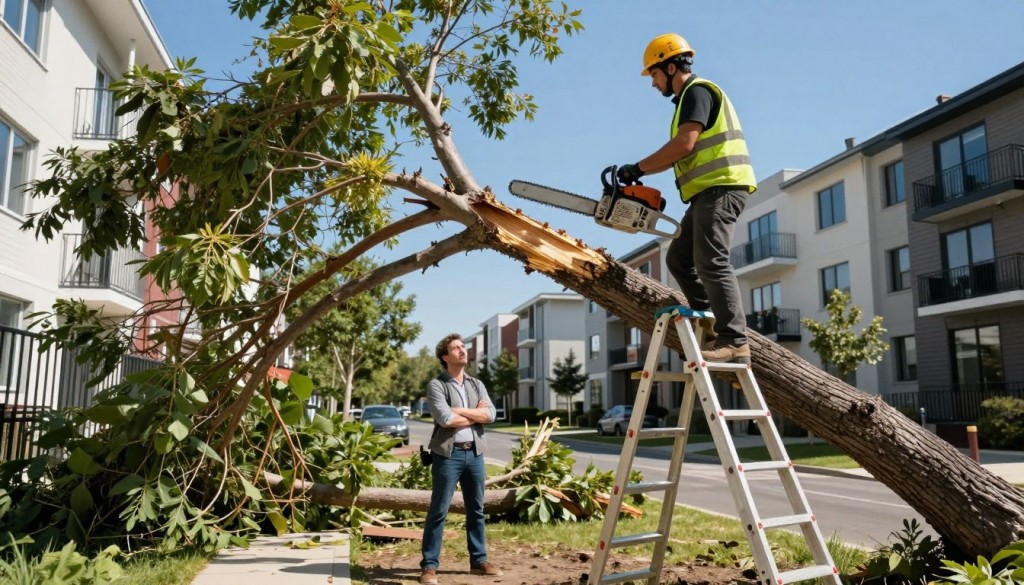
Neighbors often find themselves at odds over tree removal, making conflict resolution essential. Trees can be a source of contention for various reasons, including concerns over safety, property damage, or aesthetic appeal. When disputes arise, it’s crucial to address them in a manner that respects all parties involved.
Resolving Conflicts Over Tree Removal
Resolving conflicts over tree removal requires a combination of understanding, communication, and sometimes, mediation. Here are some steps to consider:
- Open Communication: Talking to your neighbor about your concerns can often resolve the issue amicably.
- Understand the Concerns: Listening to the reasons behind your neighbor’s stance on tree removal can help in finding a mutually acceptable solution.
- Seek Professional Advice: Consulting with a professional, such as an arborist, can provide valuable insights into the necessity of tree removal.
In cases where a tree poses an immediate danger, emergency tree removal services may be necessary to prevent accidents or further damage.
The Role of Mediation Services
Mediation services can play a crucial role in resolving tree disputes between neighbors. A mediator can facilitate a discussion, helping both parties to reach a mutually agreeable solution. Mediation is often less confrontational and less expensive than going to court.
Some key benefits of mediation include:
- Preservation of Relationships: Mediation can help maintain neighborly relations by fostering a collaborative environment.
- Cost-Effective: Mediation is generally less costly than legal proceedings.
- Flexibility: Mediation allows for creative solutions that might not be possible through legal channels.
By understanding the importance of effective communication and the role of mediation, neighbors can work together to resolve tree disputes in a way that is fair and respectful to all parties involved.
Rights and Responsibilities of Owners
As apartment owners in Sydney, understanding our rights and responsibilities regarding tree management is crucial. Tree management is a shared responsibility among strata community members, and being aware of our roles can help prevent disputes and ensure the upkeep of our properties.
Owner’s Responsibility for Trees
Owners are generally responsible for trees located on their property. This includes maintaining the health of the trees and ensuring they do not become a hazard. For trees in common areas, the strata corporation typically oversees their maintenance. It’s essential for owners to familiarize themselves with the strata laws and regulations regarding tree ownership and management.
Regular maintenance includes pruning or removing trees when necessary. Owners should be proactive in identifying potential issues with trees on their property to avoid any damage or liability. For complex tree removals, it’s advisable to hire professional tree services to ensure the job is done safely and in compliance with local regulations.
Understanding Shared Spaces
In strata complexes, shared spaces such as gardens and courtyards often feature trees that are the responsibility of the strata corporation. Owners should understand that decisions regarding trees in these areas are typically made by the strata committee. However, owners can contribute to the decision-making process by attending strata meetings and voicing their opinions on tree management.
It’s also important for owners to recognize that trees in shared spaces can impact the overall aesthetic and value of the property. By working together with the strata committee, owners can help ensure that trees are managed in a way that benefits the community. For instance, if a tree is deemed hazardous or requires removal, the strata committee will typically oversee the process, which may involve hiring professionals for Tree Removal Sydney services.
By understanding our rights and responsibilities as owners, we can work together to maintain the beauty and safety of our strata communities. This includes being proactive about tree maintenance and respecting the decisions made by the strata committee regarding common areas.
The Process of Tree Removal
The process of tree removal on strata-titled properties is governed by specific rules and regulations that must be understood and followed. As we delve into the details, it becomes clear that removing a tree involves more than just cutting it down; it requires a thorough understanding of strata by-laws and the steps involved in obtaining approval.
Steps to Request Tree Removal
To initiate the tree removal process, the strata committee must be approached with a formal request. This involves submitting an application that outlines the reasons for the removal. It’s essential to provide valid reasons, such as the tree being dead, diseased, or causing damage to the property. The strata committee will then review the application, considering factors like the tree’s impact on the property’s aesthetic appeal and any potential risks it may pose.
Once the application is submitted, the strata committee may request additional information or documentation, such as an arborist report, to support the request. This report, prepared by a qualified arborist, assesses the tree’s condition and provides recommendations on whether removal is necessary.
- The application is submitted to the strata committee.
- The strata committee reviews the application and may request additional information.
- An arborist report may be required to support the removal request.
Documentation Required for Approval
The documentation required for tree removal approval typically includes a detailed report from a qualified arborist. This report should outline the tree’s condition, the reasons for removal, and any alternative solutions considered. Additionally, photographs of the tree and its location may be required to help the strata committee visualize the situation.
It’s also beneficial to include any relevant historical data about the tree, such as maintenance records or previous inspections. This information can help the strata committee make an informed decision regarding the tree removal request.
- Detailed arborist report.
- Photographs of the tree.
- Historical data on the tree’s maintenance and inspections.
By following these steps and providing the necessary documentation, property owners can ensure that their tree removal request is processed efficiently and effectively. It’s a process that requires patience, understanding, and cooperation with the strata committee.
Environmental Considerations
As we navigate the complexities of strata management, it’s crucial to consider the environmental implications of our decisions, particularly when it comes to tree removal. Trees in urban environments, such as those found in Sydney’s apartment complexes, play a vital role in maintaining ecological balance.
Benefits of Retaining Trees
Retaining trees in strata complexes offers numerous benefits. They provide shade, reducing the need for air conditioning and thus lowering energy consumption. Trees also act as natural air filters, improving air quality by absorbing pollutants and releasing oxygen. Furthermore, they contribute to the aesthetic appeal of a property, potentially increasing its value.
Tree care and tree pruning are essential practices that help maintain the health and safety of trees. Proper pruning can prevent branch failure, reducing the risk of damage to people and property. It’s also important for maintaining the tree’s structure and promoting healthy growth.
Climate Impact and Biodiversity
The removal of trees can have significant climate implications. Trees absorb carbon dioxide, a major greenhouse gas, and their removal can lead to increased carbon emissions. Additionally, trees help mitigate the urban heat island effect by providing shade and cooling the air through evapotranspiration.
Biodiversity is another critical consideration. Trees provide habitat for a variety of wildlife, including birds, insects, and other animals. By retaining trees, we can help preserve local biodiversity and support ecosystems. This is particularly important in urban areas where natural habitats are often limited.
When considering tree removal, strata committees must balance the needs of the community with environmental considerations. This involves assessing the potential impacts on climate and biodiversity and exploring alternatives that minimize harm. By doing so, we can ensure that our decisions are sustainable and responsible.
Working with Tree Removal Professionals
For strata apartment owners in Sydney, tree removal is a significant decision that demands professional handling. When trees need to be removed, it’s essential to work with professionals who have the necessary expertise and equipment to do the job safely and efficiently.
Choosing the Right Service
Choosing the right tree removal service is crucial for ensuring that the job is done correctly and safely. We need to look for services that are fully insured and have a good reputation in the industry. It’s also important to get multiple quotes and check references to ensure we’re hiring a reliable and experienced provider.
Some key factors to consider include their experience with strata properties, their equipment, and their ability to handle emergency tree removal situations. A reliable service will also offer tree lopping as part of their services, which can be essential for maintaining the health and appearance of trees that don’t need to be completely removed.
Importance of Licensed Arborists
Working with licensed arborists is vital because they have the professional knowledge and skills required for safe and effective tree removal. Licensed arborists understand the complexities of tree care and removal, ensuring that the work is done in compliance with local regulations and safety standards.
By choosing a tree removal service with licensed arborists, we can ensure that our tree removal needs are met professionally and safely. This not only protects our property but also ensures compliance with strata by-laws and local regulations.
Future Trends in Strata Management
The future of strata management in Sydney is closely tied to how we perceive and manage urban trees. As our understanding of the importance of urban trees grows, so too does the need for strata schemes to adapt and incorporate best practices in tree management.
Changing Attitudes Towards Urban Trees
There is a growing recognition of the value that urban trees bring to strata schemes, from enhancing aesthetic appeal to providing environmental benefits. This shift in attitude is leading to more nuanced approaches to tree management, with a greater emphasis on preservation and sustainability.
“Urban trees are not just a nicety, they are a necessity for creating livable and sustainable communities,” as noted by a leading urban planner. This perspective is increasingly being reflected in strata management practices.
Incorporating Green Spaces in Developments
As strata schemes evolve, there is a greater emphasis on incorporating green spaces into developments. This not only enhances the living environment for residents but also contributes to the overall sustainability of the scheme.
- Green roofs and walls
- Community gardens
- Tree-lined streets and courtyards
Incorporating these elements requires careful planning and management, but the benefits they bring can be significant. Strata committees are playing a crucial role in this process, balancing the needs of residents with the need to maintain a sustainable and attractive living environment.
Effective tree management, including Tree Removal Sydney and stump removal when necessary, is a key part of this process. By adopting best practices and working with professionals, strata schemes can ensure that their green spaces continue to thrive.
Conclusion: Balancing Nature and Community Needs
Effective tree management on strata-titled properties requires a delicate balance between preserving nature and meeting community needs. As we have discussed, strata by-laws play a crucial role in regulating tree removal and maintenance in Sydney’s apartment complexes.
Managing Trees for the Future
To achieve this balance, apartment owners must be aware of their responsibilities and the importance of tree care. Engaging professional tree services is often necessary to ensure that trees are properly maintained or removed when required.
Next Steps for Apartment Owners
We recommend that apartment owners review their strata by-laws and consult with their strata committee to understand the specific tree management requirements for their building. By working together and prioritizing tree care, we can create more harmonious and sustainable living environments.