

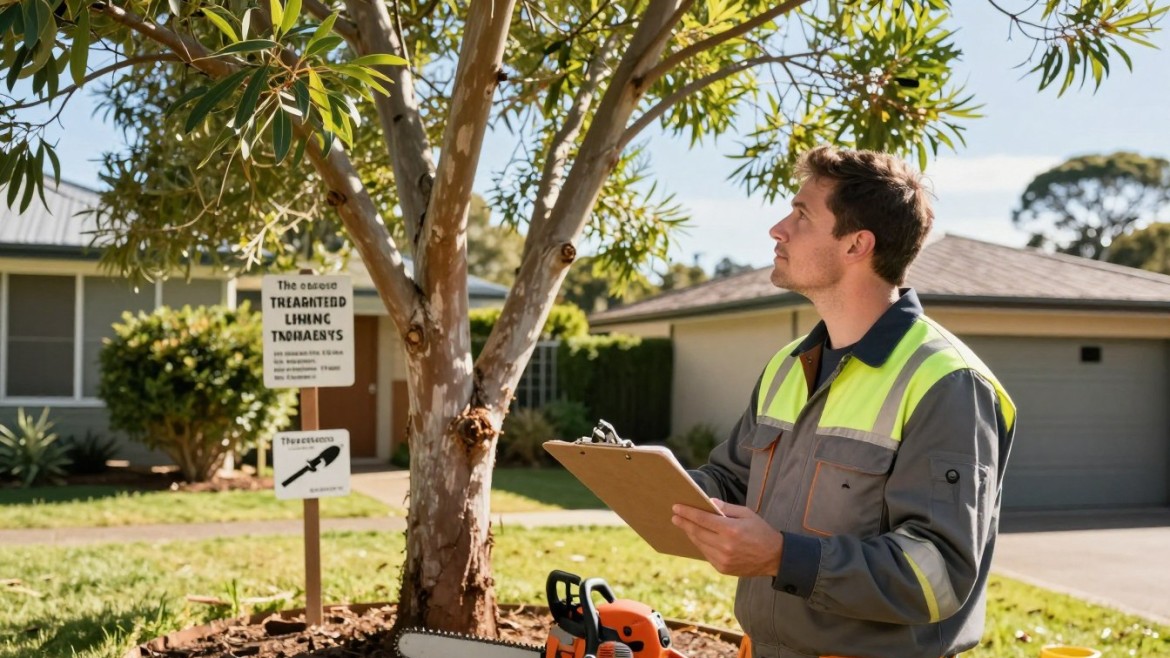
When it comes to backyard removals, homeowners and Arborist Sydney professionals must consider the treatment of threatened and native species. In New South Wales, numerous species are listed under the Biodiversity Conservation Act 2016, indicating a need for careful consideration during removal processes. We explore the regulations and importance of preserving native species, crucial for maintaining ecological balance.
Understanding the distinction between threatened and native species is vital. According to the NSW Environment and Protection Authority, as of June 2024, 343 threatened animal species are listed, highlighting the need for conservation efforts. We examine the key considerations for homeowners and arborists in Tree Removal Sydney to ensure compliance with regulations and conservation goals.
Key Takeaways
- Threatened species in NSW are protected under the Biodiversity Conservation Act 2016.
- Native species play a crucial role in maintaining ecological balance.
- Homeowners and arborists must consider regulations during backyard removals.
- Conservation programs are available to support private land conservation.
- Understanding the difference between threatened and native species is essential.
Understanding Tree Removal Regulations in Sydney
Understanding the laws governing tree removal in Sydney is crucial for homeowners and developers alike. The regulations are designed to protect the environment while allowing for development and maintenance of properties.
Overview of Tree Removal Laws
Tree removal in Sydney is governed by a set of laws that dictate when and how a tree can be removed. These laws are enforced by local authorities, such as the local council, to ensure compliance. For instance, the Environmental Planning and Assessment Act 1979 provides a framework for assessing the environmental impact of tree removal.
Before removing a tree, it’s essential to check if it’s protected under any environmental legislation. Trees that are considered heritage-listed or are located in conservation areas have additional protections.
Importance of Wildlife Protection
One of the primary reasons for regulating tree removal is to protect wildlife. Trees provide habitat for native animals and birds, and removing them can have a significant impact on local ecosystems. In Sydney, many trees are home to native species, some of which are threatened or endangered.
By protecting trees, we also protect the biodiversity of the area. This is particularly important in urban environments where natural habitats are limited. Services like Tree Services Sydney play a crucial role in advising on and carrying out tree removals in a way that minimizes harm to wildlife.
The Role of Local Authorities
Local authorities, such as the local council, are responsible for enforcing tree removal regulations. They assess applications for tree removal and ensure that the process complies with relevant laws. This includes evaluating the environmental impact and considering alternatives to removal.
For those considering tree removal, consulting with local authorities and professionals, such as those offering Tree Cutting Sydney services, can provide valuable insights into the regulatory requirements and best practices.
What Constitutes Native and Threatened Species?
In the context of tree removal, it’s essential to understand what constitutes native and threatened species to ensure compliance with environmental laws. Native species are those that are indigenous to a particular region, having evolved over time to thrive in that specific environment. Threatened species, on the other hand, are those that are at risk of extinction due to various factors such as habitat loss, climate change, or human activities.
Definition of Native Species
Native species are a crucial part of their ecosystems, playing unique roles that help maintain the balance of nature. In Australia, native trees such as the Eucalyptus and Acacia species are not only iconic but also vital for supporting local wildlife. When considering tree removal, identifying whether a tree is native is a critical step. This is where services like Tree Pruning Services Sydney can provide expert advice, helping property owners make informed decisions.
Threatened Species Explained
Threatened species are categorized based on their risk of extinction. These categories help conservation efforts by prioritizing species that are at a higher risk. Factors contributing to a species becoming threatened include habitat destruction, invasive species, and climate change. Understanding these factors is crucial for developing strategies to protect these species. In cases where tree removal is necessary, especially for threatened species, it’s vital to engage professionals who specialize in Emergency Tree Removal to minimize harm.
Examples of Common Native and Threatened Trees
Australia is home to a diverse range of native and threatened tree species. For instance, the Wollemi Pine (Wollemia nobilis) is a native species that was once thought to be extinct but was rediscovered in the 1990s. It is considered threatened due to its limited population. Other examples include various Eucalyptus species that are native to different parts of Australia but may be threatened in certain regions due to environmental pressures.
Understanding and identifying native and threatened species is not just about compliance with regulations; it’s also about preserving Australia’s unique biodiversity. By making informed decisions regarding tree removal and engaging with professional services, we can work towards a more sustainable future.
The Permitting Process for Tree Removal
When it comes to tree removal in Sydney, understanding the permitting process is essential for compliance with local regulations. The process of obtaining permission for tree removal involves several key steps that must be followed carefully.
Steps Involved in Gaining Approval
To gain approval for tree removal, you must first submit an application to your local council. This application should include detailed information about the tree, such as its species, size, and condition. For instance, if you’re planning to remove a tree for Stump Grinding Sydney or Tree Lopping Sydney services, you’ll need to provide justification for the removal.
The steps involved in gaining approval typically include:
- Preparing and submitting your application
- Providing supporting documentation, such as arborist reports
- Paying the required application fee
- Waiting for the council’s assessment and decision
Documentation Required for Removal
The documentation required for tree removal can vary depending on the circumstances, but generally includes:
- An arborist report detailing the tree’s condition and the necessity for removal
- Photographs of the tree from multiple angles
- A site plan showing the tree’s location on your property
In some cases, additional information may be requested by the council to support your application. It’s essential to provide comprehensive documentation to avoid delays in the approval process.
Timeline Expectations for Permitting
The timeline for obtaining a permit can vary significantly depending on the complexity of the application and the workload of the local council. Generally, you can expect the process to take several weeks to a few months.
To manage your expectations, it’s crucial to:
- Submit a complete and accurate application
- Respond promptly to any requests for additional information
- Plan ahead and allow sufficient time for the approval process
By understanding and following the permitting process for tree removal, you can ensure compliance with local regulations and avoid potential legal issues. Whether you’re considering Stump Grinding Sydney or Tree Lopping Sydney services, being informed is key to a smooth process.
Environmental Impact Assessments
The process of Environmental Impact Assessment is essential for evaluating the potential effects of tree removal on Sydney’s ecosystem. As we consider the removal of trees, it’s crucial to understand the broader environmental implications.
What is an Environmental Impact Assessment?
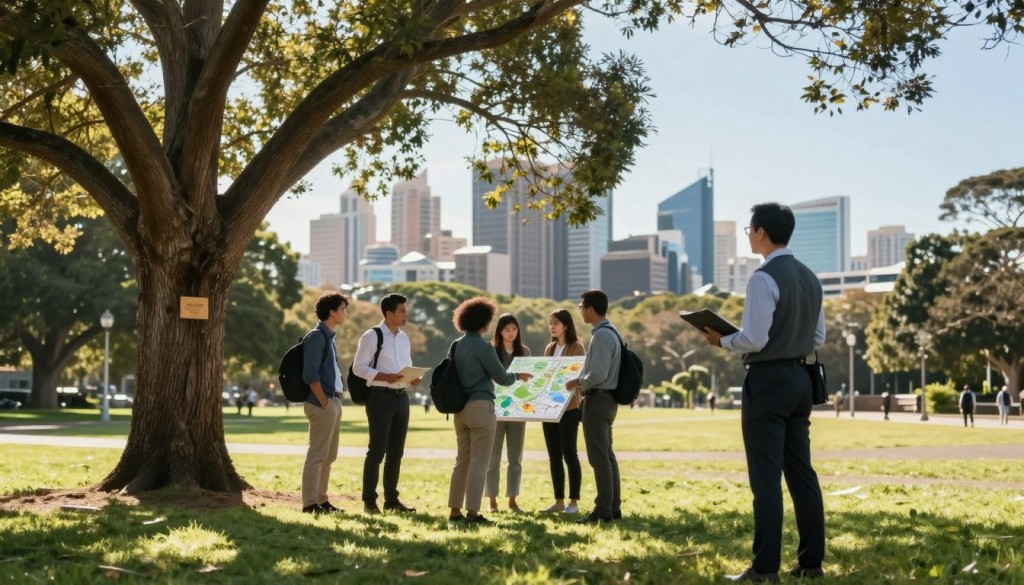
An Environmental Impact Assessment is a systematic process used to identify and evaluate the potential environmental consequences of proposed projects, such as tree removal. This assessment considers various factors, including the impact on local wildlife, soil erosion, and the effect on surrounding vegetation. By conducting an Environmental Impact Assessment, we can better understand the potential risks associated with tree removal and develop strategies to mitigate them.
For instance, if a tree is a habitat for native species, the assessment will consider the impact of its removal on these species and potentially suggest alternative solutions, such as pruning rather than complete removal. For more information on the cost and safety considerations of tree removal, you can visit Triple T Tree Services.
When is it Required?
An Environmental Impact Assessment is typically required for large-scale tree removal projects or when the trees in question are considered significant due to their age, size, or ecological importance. Local authorities in Sydney often mandate these assessments to ensure that tree removal does not harm the environment. The specific requirements can vary depending on the location and the regulations in place.
It’s essential to check with local authorities to determine if an Environmental Impact Assessment is necessary for your tree removal project. They can provide guidance on the process and the information required to complete the assessment.
Potential Outcomes of Assessments
The outcomes of an Environmental Impact Assessment can vary widely. In some cases, the assessment may conclude that the tree removal can proceed with minimal environmental impact, provided that certain conditions are met. In other cases, it may be determined that the environmental costs outweigh the benefits, leading to a decision to cancel or significantly modify the tree removal plan.
The assessment might also recommend alternative measures, such as transplanting trees to a different location or implementing measures to protect surrounding vegetation during the removal process. By understanding the potential outcomes, we can make more informed decisions about tree removal in Sydney.
Responsibilities of Property Owners
As property owners, we have a significant role in maintaining the ecological balance of our surroundings. This responsibility is particularly important when it comes to tree removal, as it can have significant environmental impacts.
Importance of Research Before Removal
Before removing any trees, it’s crucial to conduct thorough research. This involves understanding the local regulations regarding tree removal, such as those enforced by the local council in Sydney. Engaging with professionals like an Arborist Sydney can provide valuable insights into the necessity of removal and alternative solutions.
Research also helps in identifying whether the trees in question are native or threatened species, which may be protected under local or national laws. This knowledge is essential in determining the appropriate course of action.
How to Identify Native Species on Your Property
Identifying native species on your property is a critical step in the tree removal process. Native trees play a vital role in supporting local biodiversity. To identify these trees, property owners can consult with local Tree Services Sydney professionals who are knowledgeable about the native flora in the area.
Additionally, property owners can refer to resources provided by local environmental organizations or government websites that offer guides on native and threatened species.
Ethical Considerations in Tree Removal
The decision to remove trees should be guided by ethical considerations. This includes assessing the necessity of removal, considering alternative solutions such as pruning, and evaluating the potential environmental impacts.
Ethical tree removal practices also involve taking steps to minimize harm to the surrounding environment and wildlife. This can include measures such as scheduling removals during non-breeding seasons for local wildlife and ensuring that the removal process does not damage nearby vegetation.
Best Practices for Removing Trees
In the realm of tree removal, best practices are essential for balancing human needs with environmental conservation. When trees need to be removed, it’s crucial that the process is carried out with care to minimize the impact on the surrounding environment and ensure safety for both people and property.
Methods for Safe Tree Removal
Safe tree removal involves several key steps. First, a thorough assessment of the tree and its surroundings is necessary to identify potential hazards and determine the best approach for removal. This may involve Tree Cutting Sydney professionals who have the expertise and equipment to handle the job safely. In cases of Emergency Tree Removal, such as when a tree has fallen on a property, it’s vital to act quickly to secure the area and prevent further damage.
For more information on handling emergency situations, you can visit Triple T Tree Services for guidance on what to do when a tree falls on your property.
Preservation Efforts During Removal
During the tree removal process, efforts should be made to preserve the surrounding environment. This includes avoiding damage to other trees, plants, and wildlife habitats. By taking a careful and considered approach, it’s possible to minimize the environmental footprint of tree removal. For instance, using rigging techniques to lower branches and trunks can help prevent damage to the surrounding landscape.
Post-Removal Care for the Environment
After tree removal, the area should be properly cared for to ensure it returns to a healthy state. This may involve replanting native species, mulching, or other restoration activities. By taking these steps, we can help maintain the ecological balance and aesthetic appeal of the area. It’s also an opportunity to consider enhancing the landscape with new plantings that are well-suited to the local environment.
By adopting these best practices for tree removal, we can ensure that the process is carried out responsibly and with respect for the environment. Whether it’s a routine removal or an Emergency Tree Removal situation, careful planning and execution are key to minimizing impact and promoting sustainability.
Alternatives to Tree Removal
Tree removal isn’t always the only solution; there are several alternatives to consider. When faced with a tree that seems to be in the way, we should first explore other options that can preserve the tree while still addressing the issue at hand.
One of the primary alternatives to tree removal is pruning or lopping, which can be an effective way to manage a tree’s size and shape. This is where Tree Pruning Services Sydney and Tree Lopping Sydney come into play, offering professional assistance to ensure that the job is done correctly and safely.
When to Consider Pruning Instead
Pruning is a viable alternative to removal when the tree is still in good health but has become too large or is causing obstruction. By pruning, we can reduce the risk associated with the tree while maintaining its presence on the property.
It’s essential to identify the right time for pruning, as doing so during the wrong season can stress the tree. Consulting with a professional arborist can help determine the best time for pruning.
Relocation Opportunities for Native Trees
In some cases, relocating a native tree is a feasible option. This involves carefully digging around the tree to preserve as much of its root system as possible and then transplanting it to a new location.
Relocation can be particularly beneficial for native species, as it allows us to preserve the tree while still accommodating development or other changes on the property.
Benefits of Urban Forestry
Urban forestry initiatives play a crucial role in maintaining healthy tree populations within urban areas. By preserving and caring for trees, we can enjoy numerous benefits, including improved air quality, enhanced biodiversity, and increased property values.
Engaging in urban forestry efforts can also foster community involvement and education on the importance of tree conservation.
By considering alternatives to tree removal, such as pruning and relocation, we can contribute to the overall health of our urban environment. It’s about striking a balance between development and conservation.
Case Studies: Tree Removal in Sydney
Through a series of case studies, we explore the intricacies of Tree Removal Sydney, highlighting successes and areas for improvement. These examples provide valuable insights into effective tree management and conservation practices.
Successful Native Species Preservation
One notable case involved the preservation of a significant stand of native eucalyptus trees during a residential development project. By working closely with local authorities and environmental experts, the developers were able to incorporate the trees into the design, thereby maintaining the site’s ecological integrity.
The process included a thorough Environmental Impact Assessment, which identified the native trees as a key environmental asset. As a result, measures were taken to protect the trees during construction, including the use of specialized fencing and monitoring by arboricultural experts.
Lessons Learned from Tree Removal Incidents
Not all tree removal projects in Sydney have been successful. A case study of a controversial tree removal incident highlighted the importance of community engagement and transparent decision-making processes. The incident led to a review of local tree removal policies, resulting in the development of more stringent guidelines for assessing the environmental and cultural significance of trees.
- Improved community consultation processes
- Enhanced assessment protocols for tree significance
- Better enforcement of tree removal regulations
Community Involvement in Tree Conservation
Community involvement has been a crucial factor in several successful tree conservation efforts in Sydney. For instance, a local community group worked with the city council to develop a Stump Grinding Sydney program, which not only removed hazardous stumps but also replanted native species in their place.
“Community-led initiatives like our stump grinding program demonstrate the power of collaborative conservation efforts,” said a spokesperson for the community group.
Such initiatives underscore the importance of engaging the community in tree conservation efforts, fostering a sense of ownership and responsibility among residents for their local environment.
Conclusion: Balancing Development and Conservation
As we navigate the complexities of urban development in Sydney, it’s clear that balancing progress with environmental conservation is crucial. The future of tree removal practices hinges on this delicate balance, ensuring that native and threatened species are protected.
Future Directions in Tree Removal
Engaging professional services like Arborist Sydney can significantly impact the preservation of our urban forests. By adopting sustainable practices, we can mitigate the environmental impact of tree removal.
Sustainable Landscaping Initiatives
Tree Services Sydney play a vital role in promoting sustainable landscaping. These initiatives not only preserve native species but also enhance the aesthetic and ecological value of our urban environments.
Community Engagement and Awareness
Community awareness and action are pivotal in driving change. By educating the public on the importance of preserving native and threatened species, we can foster a culture of sustainability that supports both development and conservation.
Ultimately, our goal is to create a harmonious balance between urban development and environmental stewardship, ensuring a sustainable future for Sydney’s unique ecosystems.