

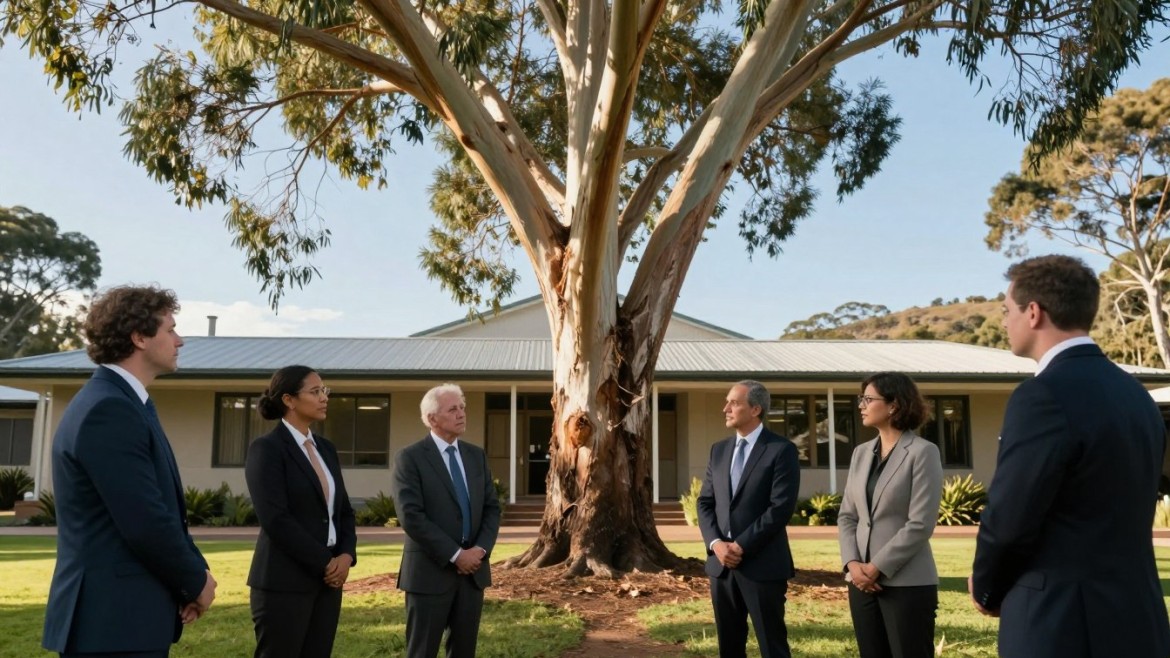
When it comes to tree disputes in NSW, the Land & Environment Court plays a crucial role in resolving these issues. We will explore what to expect when dealing with tree disputes and the court’s involvement.
Tree disputes can be complex and emotionally charged, especially when they involve neighbouring properties. In NSW, the Land & Environment Court has the authority to make decisions on these matters, taking into account factors such as the impact on the environment and the rights of property owners.
We will provide an overview of the process and key considerations when dealing with tree disputes in NSW, including the role of tree cutting services and the importance of understanding the court’s procedures.
Key Takeaways
- Understanding the role of the Land & Environment Court in resolving tree disputes
- The importance of considering environmental factors in tree disputes
- The potential involvement of tree cutting services in resolving disputes
- The need to understand the court’s procedures and processes
- The impact of tree disputes on neighbouring properties
Understanding Tree Removal Regulations in Sydney
Understanding the legal framework surrounding tree removal in Sydney is essential for property owners. The regulations are designed to balance the need for tree preservation with the rights of property owners to manage their land. In Sydney, tree removal is subject to various laws and guidelines that must be followed to avoid legal issues.
Overview of Tree Preservation Orders
Tree Preservation Orders (TPOs) are a crucial aspect of tree removal regulations in Sydney. These orders are issued by local councils to protect trees that are considered significant due to their environmental, aesthetic, or historical value. If a tree is subject to a TPO, removing it without council approval can result in significant fines. For instance, in a recent case, a homeowner in Sydney was fined substantially for removing a protected tree without permission. To avoid such penalties, it’s essential to check if a tree is protected before considering removal. You can find more information on the process and implications of removing trees without council approval on our related page: what happens if you lop a tree without council approval in.
Local Government Guidelines
Local government guidelines play a pivotal role in regulating tree removal in Sydney. Councils are responsible for assessing tree removal applications and ensuring that they comply with local planning regulations. These guidelines vary between councils, so it’s crucial to consult with your local council before removing any trees. They can provide information on the necessary permits, the application process, and any specific requirements for your area. For those seeking affordable tree removal, understanding these guidelines can help in planning and budgeting for the removal process.
Legal Framework for Tree Removal
The legal framework for tree removal in Sydney is primarily governed by the Environmental Planning and Assessment Act 1979 (NSW) and the Local Government Act 1993 (NSW). These laws outline the procedures for tree removal, including the requirement for development consent and the penalties for non-compliance. Property owners must be aware of these laws to ensure they are not violating any regulations. For complex cases, consulting with a legal expert specializing in environmental law can provide clarity and guidance. Additionally, hiring professionals experienced in tree trimming Sydney can ensure that the work is done in compliance with the relevant laws and regulations.
In conclusion, understanding and complying with tree removal regulations in Sydney is vital for property owners. By being informed about Tree Preservation Orders, local government guidelines, and the legal framework, individuals can avoid legal complications and ensure that any tree removal is carried out responsibly and sustainably.
Common Causes of Tree Disputes
Tree disputes can be a significant problem in NSW, with causes ranging from neighbor disputes to safety concerns following storm damage. These disputes often involve complex issues that require careful consideration and expert opinion.
When trees become a point of contention, it’s essential to understand the underlying causes. This understanding can help resolve disputes amicably and prevent future conflicts.
Neighbors Disputing Trees
One of the most common causes of tree disputes is neighborly disagreement. Trees near property boundaries can cause tension between neighbors, especially if they believe the trees are encroaching on their property or causing damage.
In such cases, professional arborists can play a crucial role in assessing the trees and providing expert opinions on their health, stability, and potential impact on surrounding properties.
Storm Damage and Safety Concerns
Storms can cause significant damage to trees, leading to safety concerns for property owners and their neighbors. When trees are damaged, they can become hazardous, potentially causing injury or property damage.
In the aftermath of a storm, property owners may need to consider emergency tree removal to mitigate risks. However, this can sometimes lead to disputes if neighbors disagree on the necessity of the removal.
Property Development Issues
Property development is another common cause of tree disputes. When properties are being developed or renovated, trees may be removed or damaged, leading to conflicts between property owners, developers, and local authorities.
In these situations, understanding local regulations and consulting with professional arborists can help navigate the complexities and minimize the risk of disputes.
Steps to Take Before Legal Action
When dealing with tree disputes, there are several measures you can take before going to court. It’s essential to approach the situation methodically to achieve a favorable outcome.
Communicating with Your Neighbor
The first step in resolving a tree dispute is often to communicate with your neighbor. This can help clear up misunderstandings and potentially resolve the issue amicably. When discussing the matter, it’s helpful to remain calm and objective, focusing on the specific issues related to the tree.
Approaching the conversation with a neighbor can be challenging, but it’s a crucial step. You might consider involving a tree care expert to provide an impartial assessment of the tree’s condition and help mediate the discussion.
Documenting the Issue
Thorough documentation is vital in any dispute, including those related to trees. Take photographs of the tree from multiple angles, and keep a record of any correspondence with your neighbor regarding the issue. This documentation can be invaluable if the dispute escalates to legal action.
It’s also advisable to keep records of any maintenance or inspections conducted on the tree, as well as any reports from tree felling specialists if you’ve consulted them. For more information on the legal aspects of tree removal, you can visit Triple Tree Services to understand your rights and obligations.
Seeking Mediation
If direct communication with your neighbor doesn’t resolve the issue, seeking mediation can be a beneficial next step. Mediation involves a neutral third party who can facilitate a discussion between you and your neighbor to reach a mutually acceptable solution.
Mediation can be less costly and less stressful than going to court. It’s a process that encourages collaborative problem-solving, and it can be particularly effective in resolving disputes related to trees, where expert opinions can play a significant role.
Overview of the NSW Land & Environment Court
The NSW Land & Environment Court plays a crucial role in resolving tree disputes and other environmental issues in New South Wales. This court is specialized to handle cases that involve environmental law, ensuring that decisions are made with consideration for both the environment and the community.
Purpose and Function of the Court
The primary purpose of the NSW Land & Environment Court is to provide a legal framework for resolving environmental disputes, including those related to Tree Removal Sydney. The court’s function is to hear cases and make judgments based on environmental law and regulations.
The court achieves its purpose through a structured process that involves hearing evidence, reviewing documents, and considering expert testimony. This process ensures that all parties involved in a dispute are given a fair hearing.
Types of Cases Handled
The NSW Land & Environment Court handles a variety of cases, including those related to tree disputes, development applications, and other environmental issues. For instance, it hears appeals related to development applications, as outlined on the NSW Land & Environment Court website. Cases involving stump removal Sydney may also be addressed, particularly if they are part of a larger environmental dispute.
- Tree disputes between neighbors
- Appeals against local government decisions on tree removal
- Development applications with environmental implications
Role of Environmental Law
Environmental law plays a critical role in the decisions made by the NSW Land & Environment Court. The court must consider the environmental implications of the cases it hears, ensuring that its judgments are in line with existing environmental regulations and laws.
By applying environmental law, the court aims to balance the needs of different stakeholders, including property owners, developers, and the broader community. This balance is crucial in resolving disputes related to tree removal and other environmental issues.
The Court Process for Tree Disputes
The NSW Land & Environment Court plays a significant role in resolving tree disputes, and knowing how to navigate this process is essential. When a tree dispute escalates to a legal issue, understanding the court’s process can help you prepare and potentially achieve a favorable outcome.
Initiating a Dispute
To initiate a dispute in the NSW Land & Environment Court, you must lodge a complaint or application. This step involves preparing the necessary documentation, including details of the dispute and the relief sought. For more information on the process, you can refer to resources like Russell Kennedy’s dispute resolution alert on tree.
Preparing Your Case
Preparing your case involves gathering evidence, including expert testimony from arborists or other relevant specialists. It’s also crucial to document the issue thoroughly, with photographs and detailed records of any correspondence or incidents related to the dispute. Services like Triple Tree Services can provide valuable insights into tree removal and maintenance, which may be relevant to your case.
We recommend that you keep detailed records of all interactions and maintain a clear timeline of events. This preparation will be essential in building a strong case.
Trial Process and Timelines
The trial process in the NSW Land & Environment Court can be complex and varies depending on the specifics of the case. Generally, the court will schedule hearings and may require additional documentation or expert testimony. Understanding the timelines and being prepared for each stage is crucial.
We will guide you through the process, but it’s essential to be aware that court proceedings can be lengthy. Patience and thorough preparation are key to navigating the trial process successfully.
Evidence Required in Tree Disputes
When it comes to resolving tree disputes in the NSW Land & Environment Court, the evidence presented plays a crucial role in determining the outcome. Tree disputes often involve complex issues related to property damage, safety concerns, and environmental impact, making it essential to gather comprehensive and compelling evidence.
Gathering Expert Testimony
Expert testimony is a critical component of evidence in tree disputes. Arborists, environmental experts, and other specialists can provide objective assessments of the trees in question, helping to establish their health, safety, and environmental significance. We recommend consulting with experts who can offer affordable tree removal advice and assessments to support your case.
Expert witnesses can testify on various aspects, such as the necessity for emergency tree removal due to safety risks or the potential environmental impact of removing certain trees. Their professional opinions carry significant weight in court proceedings.
Importance of Photographic Evidence
Photographic evidence is another vital element in tree dispute cases. Clear, dated photographs of the trees in question can help document their condition over time, providing visual support for your claims. We suggest taking photographs from multiple angles and including images that show any damage or issues related to the trees.
Photographic evidence can be particularly useful in demonstrating the necessity for tree removal or the extent of damage caused by trees. It can also help in assessing the health and condition of the trees, supporting or refuting claims made in the dispute.
Legal Documents and Correspondence
Legal documents and correspondence related to the tree dispute are also crucial. This includes any notices issued by local authorities, correspondence with neighbors or other parties involved, and records of any previous agreements or disputes related to the trees.
Maintaining a detailed record of all relevant documents and correspondence can significantly strengthen your case. It is essential to organize these documents clearly and be prepared to present them as part of your evidence in court.
Potential Outcomes of a Court Case
In the NSW Land & Environment Court, tree disputes are resolved through a legal process that can result in various orders and outcomes. The court’s decisions are based on the evidence presented and the applicable laws and regulations.
Orders That the Court Can Issue
The court has the authority to issue various orders to resolve tree disputes. These can include orders to remove or prune trees, as well as orders to compensate affected parties. Professional arborists and tree care experts play a crucial role in assessing the condition of trees and providing expert testimony to inform the court’s decisions.
For instance, the court may order a property owner to:
- Remove a tree that is deemed a risk to neighboring properties.
- Prune a tree to alleviate issues related to overhanging branches.
- Pay compensation for damages caused by a tree.
Repercussions for Non-Compliance
Failure to comply with court orders can result in significant repercussions. These can include financial penalties, legal costs, and even court-imposed enforcement actions. As noted by a legal expert,
“Non-compliance with court orders can lead to severe consequences, including fines and potential imprisonment for contempt of court.”
It is essential for parties involved in tree disputes to understand the importance of complying with court orders to avoid these repercussions.
Alternative Resolutions
While the court process is available for resolving tree disputes, alternative resolutions may also be explored. Mediation and negotiation between parties can sometimes lead to mutually acceptable outcomes without the need for a court trial. Tree care experts can facilitate these discussions by providing objective assessments and recommendations.
Alternative resolutions can offer several benefits, including:
- Reduced legal costs.
- Faster resolution times.
- Preservation of neighborly relations.
Costs Involved in Tree Dispute Cases
Navigating the costs associated with tree disputes is essential for those embroiled in such conflicts. Tree disputes can be financially draining, with various expenses accumulating quickly.
Legal Fees and Court Costs
Legal fees are a significant component of the costs involved in tree dispute cases. Engaging a lawyer specializing in environmental law can be costly, with hourly rates varying widely. Additionally, court costs, including filing fees and other expenses, can add up. It’s essential to understand that these costs can be substantial, potentially running into thousands of dollars.
Cost of Expert Witnesses
In many tree dispute cases, expert testimony is crucial in establishing the facts. Tree felling specialists and arborists may be called upon to provide expert evidence. The cost of hiring these experts can be significant, with fees ranging from a few hundred to several thousand dollars, depending on the complexity of the case and the expert’s qualifications.
For instance, if a tree is disputed due to its potential to cause harm or its impact on property values, an arborist may need to assess the tree’s health and provide a report. The cost of such assessments can vary, but it’s a necessary expense to support your case.
Financial Implications of Losing the Case
Losing a tree dispute case can have serious financial implications. Not only may you be required to pay your own legal costs, but you may also be liable for the other party’s expenses. In some cases, the court may order you to pay for the removal of the tree or other remedial work, which can be costly. For example, if the court orders the removal of a tree, you may need to hire tree felling specialists, and the cost of stump removal in Sydney can add to the overall expense.
Understanding these potential costs is vital before proceeding with a tree dispute case. It’s also worth considering alternative dispute resolution methods, such as mediation, which can be less costly and less stressful.
Preventative Measures for Tree Disputes
Preventing tree disputes requires a proactive approach, including clear property boundaries and regular tree maintenance. By taking these preventative measures, homeowners in Sydney can significantly reduce the risk of tree-related conflicts.
Establishing Clear Property Boundaries
One of the primary steps in preventing tree disputes is establishing clear property boundaries. This can be achieved by consulting with a surveyor to ensure that your property lines are well-defined. Clear property boundaries help prevent misunderstandings with neighbors regarding tree ownership and responsibility.
As noted by a legal expert, “Having a clear understanding of your property boundaries can save you from potential legal issues down the line.”
Regular Tree Maintenance
Regular tree maintenance is another crucial aspect of preventing tree disputes. This includes pruning trees to prevent overhanging branches and removing dead or diseased trees that could pose a risk to neighboring properties. Regular maintenance not only enhances the aesthetic value of your property but also reduces the risk of tree-related disputes.
For professional tree maintenance, consider hiring reputable tree cutting services in Sydney. They can provide expert advice and services to keep your trees healthy and well-maintained.
Understanding Local Tree Laws
Understanding local tree laws is essential for homeowners to avoid unintentionally violating regulations, which can lead to disputes. Familiarize yourself with the local government guidelines on tree removal and preservation orders. Local tree laws are in place to protect the environment and maintain the beauty of Sydney’s landscape.
“Understanding and complying with local tree laws not only helps you avoid legal issues but also contributes to the preservation of our urban environment.”
- Research local tree preservation orders
- Consult with local authorities before removing trees
- Understand the legal implications of tree removal
Resources for Tree Removal in Sydney
Navigating tree removal regulations in Sydney can be complex, but with the right resources, you can make informed decisions. We recommend consulting professionals for tree trimming Sydney to ensure compliance with local regulations.
Expert Guidance
Consulting arborists play a crucial role in assessing tree health and providing guidance on tree care. They can help determine whether a tree needs to be removed or if alternative solutions are available.
Government Resources
Local government resources are available to provide information on tree preservation orders and guidelines for tree removal in Sydney. Understanding these regulations is essential for avoiding potential disputes and ensuring compliance.
Legal Support
For those involved in tree disputes, seeking legal assistance is crucial. Legal professionals specializing in environmental law can provide guidance on navigating the NSW Land & Environment Court and help with affordable tree removal solutions.
By leveraging these resources, residents in Sydney can better understand their obligations and options regarding tree removal, ultimately reducing the risk of disputes and ensuring a smoother process.