

Sydney tree-law guide • Reviewed for 2026
When Does Tree Lopping Become Illegal in Sydney?
Lopping Tree work can become illegal in Sydney when you prune,
damage or remove a protected tree without the permit or development consent
required by your local council, breach an approval condition, damage a street
tree, or cut beyond a lawful exemption.
On this page
Quick Answer: When Is Lopping a Tree Illegal?
Tree lopping may be unlawful when the tree is protected under a council
plan, development control plan, vegetation policy, heritage rule or
planning approval, and the required permission has not been obtained.
It may also be unlawful to remove more canopy than a permit allows,
harm a protected native tree, interfere with wildlife habitat, or prune
a council-owned street tree yourself.
There is no single tree lopping rule for every Sydney suburb. Tree
removal rules may change when you cross from one local government area
into another. A method that is exempt in one council area may need a
tree work permit application in the next.
This guide is for Sydney homeowners, landlords, strata committees,
property managers and anyone searching for a Tree Lopper, Sydney Tree
Loppers or Tree Loppers Near Me. It explains what to check before work
starts. It is general information, not legal advice or a council permit.
Usually high risk
Major canopy reduction, tree topping, whole-tree removal, work on a
heritage or significant tree, and pruning a public street tree.
Sometimes lower risk
Minor deadwood removal or clearance that falls within a council’s
written exemption. You must still confirm the exact conditions first.
When Does Lopping Tree Work Become Illegal in Sydney?
Illegal tree lopping Sydney cases do not all involve cutting down an
entire tree. Unauthorised tree pruning can be enough if the work damages a
protected tree or exceeds what the council permits.
1. The tree is protected and approval was not obtained
Protected trees in Sydney may be identified by their species, height,
trunk size, location, heritage value or position within a conservation
area. Your council may require a tree pruning permit Sydney residents
must obtain before major cutting begins.
Removing a tree without council approval is especially risky where the
property has a heritage overlay, the tree appears on a significant tree
register, or development consent for tree removal is required.
2. The work exceeds a permit or approved plan
A permit is not a blank cheque. It may identify the branches that can be
removed, the pruning method, the contractor’s qualifications, replacement
planting or a completion deadline. Cutting more than approved may turn
otherwise permitted Tree Lopping Services into unauthorised work.
3. Excessive pruning seriously harms the tree
Excessive tree pruning, crude topping and the removal of large amounts of
live canopy can leave a tree unstable or trigger weak regrowth. Tree
topping laws Sydney residents search for are often found within broader
council rules about destroying, injuring or wilfully damaging a tree.
Good Tree pruning Sydney work normally uses selective cuts. It aims to
manage risk while preserving a balanced canopy. The City of Sydney states
that approved pruning must follow Australian Standard AS 4373 for pruning
amenity trees.
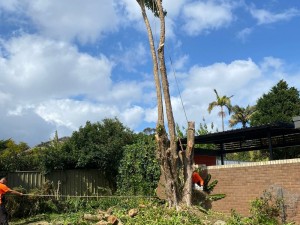
homes, gardens, fences and people.
4. The work damages protected native vegetation or habitat
Native tree removal laws NSW residents must consider can involve more
than a local tree permit. Larger clearing proposals or work affecting
protected vegetation, threatened species or ecological communities may
trigger state planning and biodiversity rules.
Nesting birds, hollows and other active wildlife habitat should be checked
before lopping trees. A council approval does not automatically remove
every obligation under other environmental laws.
5. A person damages the tree to avoid the approval process
Tree poisoning, ringbarking, drilling, root damage and repeated unlawful
pruning may be treated as tree vandalism Sydney councils can investigate.
A dying tree is not automatically exempt where human damage caused the
decline.
Why Sydney Tree Lopping Rules Change by Council
Sydney is made up of many council areas. Each council may use its local
environmental plan, development control plan, tree management policy and
the NSW planning framework to regulate tree work.
| Situation | What may be required | Best next step |
|---|---|---|
| Minor branch clearance | A written exemption may apply, but conditions can limit branch size and cutting method. | Check your council’s current exemption wording. |
| Large canopy reduction | A tree pruning application Sydney council officers can assess. | Get a clear scope from a qualified arborist. |
| Whole-tree removal | A tree removal permit Sydney application or development consent. | Confirm tree status before accepting a quote. |
| Heritage or significant tree | Stricter supporting evidence, an arborist report or development application. | Do not cut until written approval or an exemption is confirmed. |
| Street or park tree | Council inspection and council-arranged work. | Report the problem to the council. |
can be misleading. Distance, species, tree size, heritage status,
planning controls and council boundaries may all change the answer.
For a detailed explanation, read
whether council approval is needed for tree lopping in Sydney
.
Can Tree Removal or Pruning Be Exempt?
Yes, tree removal exemptions Sydney councils publish may allow certain
work without a permit. However, an exemption only protects work that
meets every stated condition.
Possible exemption categories can include:
- Limited deadwood removal
- Small branches that meet a council’s clearance rules
- Listed exempt tree species Sydney councils identify
- A dead tree where sufficient evidence is kept
- An immediate danger managed under an applicable emergency process
- Eligible clearing under the NSW Rural Fire Service 10/50 scheme
Dangerous tree removal rules should not be reduced to “the tree looked
unsafe.” Take clear photographs and record cracks, uplifted soil, a recent
lean, root failure, split unions or hanging branches. A hazardous tree
assessment may be needed to show why urgent work was reasonable.
Practical example: the cracked branch after a storm
Picture a large branch splitting above a bedroom after strong wind.
Waiting may place people at risk. Cutting the whole tree down without
checking the rules may also create a compliance problem.
A sensible response is to move people away, photograph the hazard, keep
clear of powerlines, contact the relevant authority when needed, and
arrange emergency tree removal Sydney assistance for the minimum work
needed to make the site safe.
Learn more about
emergency tree lopping services available in Sydney
.
Can I Lop or Prune My Neighbour’s Tree?
Do not assume that a branch crossing the boundary removes council
controls. Neighbour’s tree pruning laws NSW property owners face can
involve council approval, property rights and the Trees (Disputes Between
Neighbours) Act 2006.
In the City of Sydney area, a person wanting to prune protected branches
overhanging from a neighbouring property must apply for permission.
Although councils differ, it is wise to ask a neighbour to trim a tree or
tell them about your concern before arranging work.
A safe neighbour-tree process
- Photograph the branches, boundary and any damage.
- Check whether the tree is protected.
- Speak with the neighbour in writing.
- Apply for permission where required.
- Do not enter the neighbour’s property without consent.
- Do not cut past the boundary or destabilise the tree.
For an ongoing dispute involving property damage, injury risk or a high
hedge, obtain legal advice about the NSW Land and Environment Court
process. Removing a neighbour’s tree without permission can create serious
legal and financial consequences.
Can I Prune a Council or Street Tree Myself?
Usually, no. A street tree is generally managed by the council, even when
its branches hang over your driveway, roof or fence. Street tree pruning
Sydney residents need should be reported to the council rather than
completed privately.
The removal of a council tree, cutting its roots, attaching items to it,
poisoning it or damaging its trunk may lead to enforcement action. Report
concerns such as fallen branches removal, blocked visibility or damaged
limbs through the council’s tree-reporting process.
Trees near electrical infrastructure require extra care. Do not climb,
cut or operate equipment near live powerlines. Contact the relevant
electricity network operator or arrange qualified advice.
Interactive Sydney Tree-Lopping Risk Checker
Tick every statement that may apply. This tool gives a general risk
signal only. It does not replace council confirmation.
What Is the Safest Legal Process for Tree Lopping Sydney?
A professional process begins before the first saw starts. It should
separate pruning, lopping and removal, identify council controls and
record exactly what work will be completed.
Step 1: Identify the tree and property
Record the property address, council area, tree species if known, trunk,
approximate height, distance from buildings and any visible defects. Take
wide and close photographs.
Step 2: Decide whether the goal is clearance, pruning or removal
Tree lopping, pruning and trimming are not always interchangeable.
Selective pruning may solve an overhang without removing large limbs.
Read the guide to the
difference between tree lopping, tree pruning and tree trimming
.
Step 3: Check current council regulations for tree removal
Search the council’s current tree-management page. Check the local
environmental plan, development control plan, tree permit process,
heritage controls and exemption list. Save a copy or screenshot of the
rule you rely on.
Step 4: Obtain an arborist report when needed
An AQF Level 5 arborist Sydney consultant may prepare a detailed report
for complex risk, development or council matters. Operational work is
commonly completed by appropriately qualified climbing arborists. The
council’s application form will state the evidence and qualification
level it requires.
Step 5: Get written approval before non-exempt work
Keep the permit, approved plan, conditions and arborist report available
during the job. The Tree Lopper Sydney property owners hire should receive
the approved scope before cutting starts.
Step 6: Keep completion records
Take after-work photographs. Keep the invoice, waste-removal record and
any advice about future tree maintenance Sydney needs. These records may
assist with council questions, insurance or neighbour concerns.
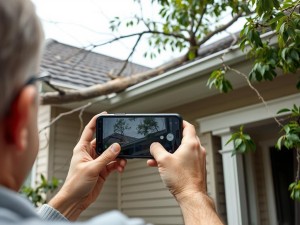
property impact and the condition of the tree before work starts.
What About Tree Lopping Prices?
Tree Lopping Prices depend on the tree’s height, species, branch weight,
site access, rigging needs, nearby buildings, powerlines, disposal,
approval status and whether stump grinding Sydney work is also required.
A Tree Lopping Price should be based on the inspected site and a written
scope, not a generic amount. For a specific cost, call Triple T Tree
Services on
+61 430 585 379.
Where complete removal is the safer or approved option, review the
Tree Removal Sydney service
.
Video: See Professional Tree Work in Practice
The video below shows the type of controlled planning and equipment used
in professional tree work. Site conditions and council requirements still
need to be checked for each property.
How Triple T Tree Services Can Help
Triple T Tree Services, based in North Shore Sydney, North Shore, NSW,
can inspect the tree and site, discuss the safest practical scope and
help you avoid beginning work before key council questions are checked.
The team can assist with professional Tree Lopping Sydney, compliant
tree pruning services Sydney, hazardous tree removal Sydney,
storm-damaged tree removal, palm tree removal Sydney, tree removal and
related clean-up.
Before booking, explain whether the tree is near a boundary, roof,
powerline, road, pool or heritage property. Mention any recent movement,
cracking, fallen branches or council correspondence.
Read the
Triple T Tree Services tree lopping Sydney profile and service guide
for information about the team’s approach and service coverage.
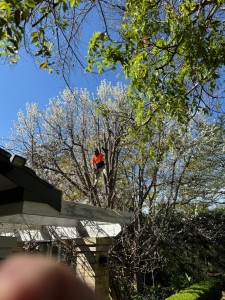
homes, gardens, boundaries or access areas.
What We Like About a Council-First Approach
Benefits
- Reduces the risk of unauthorised tree removal
- Creates a clear written work scope
- Protects healthy canopy where possible
- Helps manage neighbour expectations
- Produces useful records for insurance or council questions
Limitations
- Approval may take time
- Council rules differ across Sydney
- An arborist report may be required
- Approval may include replacement planting
- Not every desired reduction will be supported
Frequently Asked Questions
Can I lop a tree on my own property in Sydney?
Ownership does not automatically give permission to lop or remove a
protected tree. Check your local council’s tree rules, heritage
controls and exemptions before starting.
Do I need council approval to prune a tree?
Approval may be required for protected trees, major canopy reduction
or pruning outside a written exemption. The answer depends on the
council, property and proposed work.
Do you need council permission to trim trees lightly?
Some councils exempt limited maintenance pruning, but the exemption
may control branch diameter, clearance distance, pruning method and
tree status. Read the exact current rule.
Can I remove a dead tree without permission?
A dead tree removal permit may not always be required, but councils
can require evidence that the tree was naturally dead and not
poisoned or damaged. Photograph it and check the council process.
What happens after illegal tree removal in NSW?
The council may investigate, request records, issue orders, commence
enforcement action or require replacement planting. The outcome
depends on the law, evidence and seriousness of the damage.
Can a tree lopper obtain council approval for me?
A tree service may assist with photographs, assessments and
application information. Complex applications may need an AQF Level 5
arborist report. The council remains the approval authority.
What should I do with a dangerous tree after a storm?
Keep people away, do not approach powerlines, photograph the visible
damage and arrange an urgent professional assessment. Only the
minimum work needed to make the site safe should occur until the
approval position is clear.
Related Tree-Lopping Guides
Council approval
Learn when a permit or development approval may be needed.
Lopping vs pruning
Understand the practical difference before requesting a quote.
Emergency tree work
See what to do when a branch or tree creates an urgent hazard.
Professional tree lopping
Explore Sydney-wide lopping, clearance and canopy-management help.
Tree removal
Learn what happens when pruning will not solve the safety problem.
Final Verdict
Tree lopping becomes legally risky when a person cuts first and checks
later. The safest rule is simple: identify the council, tree and proposed
work; confirm whether an exemption applies; obtain written approval where
required; and use a qualified professional who follows the approved
scope.
Do not assume that private ownership, overhanging branches, a dead-looking
canopy or an urgent booking makes all work lawful. When the position is
unclear, pause and obtain council-aware advice.
Need Help With a Tree in Sydney?
Call Triple T Tree Services in North Shore Sydney, North Shore, NSW.
Describe the tree, suburb, access and any visible hazard. For a specific
Tree Lopping Price, request an inspection-based quote.