

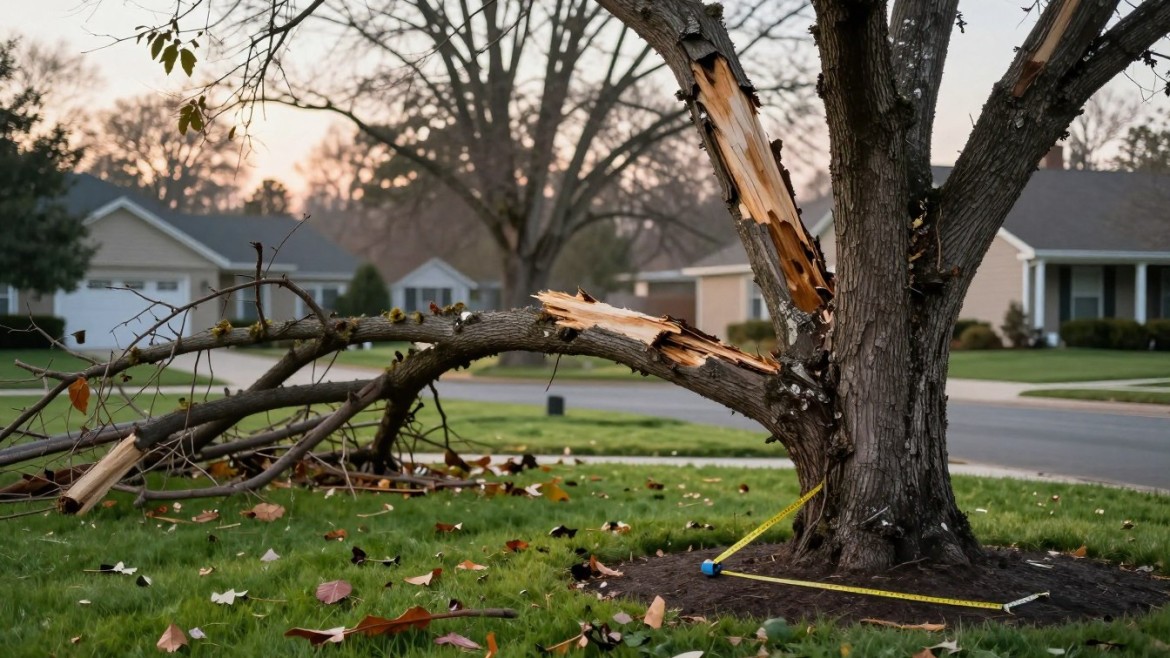
As residents of NSW, we understand the impact of severe weather conditions on our properties, particularly on trees. Documenting damage is crucial for a successful insurance claim. When a storm damages a tree, it’s essential to assess the damage and take the necessary steps to document it.
We recommend taking photos or videos of the damaged tree, which can be useful for insurance claims or when consulting with professionals. For instance, AA Tree Services Sydney can provide emergency response for storm-damaged trees, conduct thorough assessments, and perform safe and efficient tree removal when necessary. Understanding your insurance cover is also vital, as seen in cases handled by Triple T Tree Services.
Key Takeaways
- Document storm-damaged trees with photos or videos for insurance claims.
- Assess the severity of the damage to determine the next steps.
- Consult professionals for thorough assessments and safe removal.
- Understand your insurance cover for tree damage.
- Seek emergency response services for storm-damaged trees.
Understanding the Importance of Documentation
Proper documentation is the backbone of a successful insurance claim for tree damage. When storms hit NSW, the aftermath can be overwhelming, with damaged trees posing a significant risk to properties. Accurate documentation of this damage is crucial for a smooth insurance claims process.
As we navigate the complexities of insurance claims, it’s essential to understand why documentation is so vital. Engaging certified arborists in Sydney can provide valuable insights into the extent of the damage and the necessary steps for remediation.
Why Accurate Documentation Matters
Accurate documentation matters because it provides a clear and comprehensive record of the damage. This record is indispensable when filing insurance claims, as it helps to establish the cause and extent of the damage. Certified arborists play a key role in this process by assessing the damage and providing professional reports.
“The documentation process is critical in ensuring that homeowners receive fair compensation for damages,” says an industry expert. This underscores the importance of thorough and accurate documentation.
Impact on Insurance Claims
The impact of accurate documentation on insurance claims cannot be overstated. It directly affects the outcome of the claim, influencing whether the claim is approved and the amount of compensation awarded. Tree trimming services can also be recommended based on the documentation, helping to prevent further damage.
- Clear evidence of damage
- Professional assessment reports
- Detailed records of communication with insurance providers
Common Challenges in Documentation
Despite its importance, documentation can be challenging. Common issues include inadequate photographic evidence, lack of professional assessments, and incomplete records of damage. Overcoming these challenges requires a proactive approach, including hiring certified arborists in Sydney to assess the damage.
By understanding these challenges, homeowners can better prepare for the documentation process, ensuring they have the necessary evidence to support their insurance claims.
Initial Steps After a Storm
The aftermath of a storm requires immediate attention to assess tree damage and ensure safety. We understand the importance of taking prompt action to evaluate the condition of your trees and property.
Assessing Damage to Trees
Assessing damage to trees involves a thorough inspection to identify potential hazards and determine the extent of the damage. It’s crucial to hire tree pruning experts who can provide a professional assessment and recommend necessary actions. Their expertise will help you understand the condition of your trees and the steps needed to restore your property.
Safety Precautions to Consider
Safety should be your top priority when assessing tree damage. Be cautious of fallen branches, hanging limbs, and other hazards that could cause injury. If you’re unsure about the safety of a particular tree, consider consulting an affordable tree removal company to handle the situation professionally.
Emotional Impact of Damage
The emotional impact of storm damage should not be underestimated. Seeing your trees damaged can be distressing, and it’s essential to acknowledge the emotional toll it takes. We recommend taking steps to address both the physical and emotional aspects of the damage to ensure a comprehensive recovery.
By taking these initial steps, you’ll be better equipped to handle the aftermath of a storm and navigate the process of restoring your property. Remember, safety and professional guidance are key to managing tree damage effectively.
Gathering Evidence of Damage
To ensure a smooth insurance claims process, homeowners must gather detailed evidence of tree damage. This step is crucial in supporting your claim and ensuring that you receive the necessary coverage for professional tree removal services.
Taking Clear Photographs
Clear photographs are a vital part of the evidence you will need to provide. When taking photos, ensure they are well-lit and in focus, showing the full extent of the damage from multiple angles. It’s also helpful to include a reference point, such as a person or a common object, to give context to the scale of the damage.
We recommend taking close-up shots of any cracks, splits, or other forms of damage to the tree. Additionally, capture the tree’s surroundings to show its proximity to buildings, power lines, or other structures that could be affected by the damage.
The Importance of Dates and Locations
Recording the date and location of the damage is equally important. The date helps establish when the damage occurred, which can be crucial in determining the cause and whether it is covered under your insurance policy. The location details, including the address and GPS coordinates if possible, help identify the exact tree and its relevance to your claim.
We suggest keeping a log or a spreadsheet to track the dates and locations of all damaged trees. This organized approach will make it easier to compile the information when filing your claim.
Using Videos as Evidence
Videos can provide a more comprehensive view of the damage than photographs alone. By walking around the damaged tree or trees, you can capture the extent of the damage from multiple angles in a single take. Videos can also help show the context of the damage in relation to surrounding structures or hazards.
When creating videos, ensure they are steady and well-narrated, explaining what is being shown and the significance of the damage. This visual and auditory evidence can be particularly compelling when presented to insurance adjusters.
In conclusion, gathering evidence of tree damage involves a combination of clear photographs, detailed records of dates and locations, and comprehensive videos. By following these guidelines, homeowners can strengthen their insurance claims and ensure they receive the necessary support for tree cutting services or other related expenses.
Creating a Damage Report
Documenting storm damage to trees in NSW requires a detailed report that insurance providers can rely on. A comprehensive damage report not only helps in organizing your insurance claim but also ensures that you receive fair compensation for the damages.
Key Information to Include
When compiling your damage report, it’s essential to include specific details. These should encompass:
- A clear description of the damage to each tree, including the extent of the damage and any potential hazards.
- Photographic evidence of the damage, taken from multiple angles.
- The location of the damaged trees on your property.
- Any previous maintenance or issues with the trees.
- Quotes or assessments from stump grinding specialists or arborists if you’ve consulted them.
Formatting Your Report Professionally
To make your damage report more credible and easier to review, format it professionally. This includes:
- Using a clear, legible font and appropriate font size.
- Organizing your report with headings and subheadings.
- Including a table of contents if your report is lengthy.
- Appending any relevant documents, such as arborist reports or quotes from Tree Removal Sydney services.
By presenting your information in a structured and professional manner, you enhance the credibility of your claim.
Examples of Damage Reports
To guide you in creating your damage report, consider the following examples:
- A simple table listing each damaged tree, its location, the type of damage, and any actions taken.
- A detailed narrative describing the damage, supported by photographs and expert assessments.
For instance, if you’ve had to engage stump grinding specialists, their report and the before-and-after photographs they provide can be invaluable additions to your damage report.
Consulting with Professionals
When dealing with storm-damaged trees, it’s essential to consult with professionals who can provide expert assessments and guidance. This step is crucial in ensuring that you receive accurate evaluations of the damage, which in turn, supports your insurance claims.
Hiring Arborists for Assessments
Hiring certified arborists in Sydney is a vital step in assessing tree damage. These professionals have the expertise to evaluate the health and safety of your trees, providing detailed reports that can be used to support your insurance claims. As noted by industry experts, “Arborists play a crucial role in identifying potential hazards and recommending appropriate measures to mitigate risks.”
“Arborists are trained to assess tree health and provide recommendations for care and maintenance.”
When selecting an arborist, ensure they are certified and have experience with storm-damaged trees. You can check their credentials and ask for references to verify their expertise. For more information on hiring the right professionals, visit Triple Tree Services for guidance on hiring the right arborist for your needs.
The Role of Tree Removal Services
Tree removal services play a critical role in safely removing damaged trees that pose a risk to your property. These services not only remove trees but also provide guidance on how to prevent future damage. When hiring a tree removal service, look for companies that offer emergency tree removal and have a good reputation in your area.
- Ensure they have the necessary equipment and trained personnel.
- Check for reviews and ask for references.
- Verify their insurance coverage to protect against potential liabilities.
When to Contact Insurance Adjusters
After assessing the damage and potentially removing hazardous trees, it’s time to contact your insurance adjuster. Insurance adjusters will review your claim, assess the damage, and determine the compensation you’re eligible for. It’s essential to have all your documentation ready, including reports from arborists and any other relevant evidence.
By consulting with professionals and following the necessary steps, you can ensure a smoother insurance claims process and get your property back to normal as quickly as possible.
Filing Your Insurance Claim
The process of filing an insurance claim for tree damage involves several key steps that homeowners in NSW should be aware of. To ensure a smooth process, it’s crucial to understand the intricacies of your insurance policy and the necessary documentation required.
Understanding Your Policy Coverage
Before initiating your claim, review your insurance policy to understand what is covered. Typically, policies cover damage caused by storms, but the extent of the coverage can vary. We recommend checking for specific clauses related to tree damage and removal.
For instance, some policies may cover the cost of tree removal if it has caused damage to your property, while others might only cover the removal if it poses a risk to your safety. It’s essential to be aware of these details to avoid any surprises during the claim process.
Necessary Documentation for Claims
Gathering the right documentation is vital for a successful insurance claim. Here are some key documents you will need:
- Photographic evidence of the damage
- Detailed reports from arborists or tree removal services
- Receipts for any emergency services or repairs
- A copy of your insurance policy
Having these documents ready will streamline your claim process. Ensure that all reports and assessments are conducted by professionals, such as those offering tree trimming services or an affordable tree removal company, to provide credible evidence.
Tips for a Successful Claim Process
To enhance the likelihood of a successful claim, follow these tips:
- Act promptly: File your claim as soon as possible after the damage occurs.
- Be thorough: Ensure all documentation is comprehensive and accurate.
- Communicate effectively: Keep your insurance provider updated on any developments related to your claim.
By understanding your policy, gathering the necessary documentation, and following these tips, you can navigate the insurance claim process more effectively. Remember, the goal is to recover costs associated with tree damage efficiently, allowing you to restore your property to its original state.
Following Up on Your Claim
After submitting your insurance claim for storm-damaged trees, the next crucial step is to follow up on its status. Effective follow-up ensures that your claim is processed in a timely manner and helps resolve any issues that may arise during the claims process.
Keeping Track of Your Claim Status
To keep track of your claim status, it’s advisable to maintain a record of all correspondence with your insurance provider. This includes noting down dates, times, and details of conversations. You can use a spreadsheet or a dedicated app to organize this information. Regular updates will help you stay on top of the process.
Additionally, you can contact your insurance company directly to inquire about the status of your claim. Be prepared to provide your claim number and other relevant details. It’s also a good idea to ask for a timeline of when you can expect the next update or resolution.
Communicating with Your Insurance Provider
Clear and effective communication with your insurance provider is crucial. When reaching out, ensure you have all necessary information at hand, including your policy number and claim details. Be clear and concise in your inquiries, and don’t hesitate to ask for clarification if needed.
If you’re working with tree pruning experts or a professional tree removal service, ensure that your insurance provider is informed. They may require documentation or reports from these professionals as part of your claim.
How to Handle Delays or Disputes
In the event of delays or disputes, it’s essential to remain proactive. Start by contacting your insurance provider to understand the cause of the delay or the nature of the dispute. If necessary, ask to escalate your claim to a senior adjuster or a supervisor.
Keeping a calm and professional demeanor can significantly help in resolving issues. If you’re experiencing difficulties, consider seeking advice from a relevant authority or a professional who can guide you through the process.
By staying informed and proactive, you can navigate the claims process more effectively and achieve a more satisfactory outcome.
Preparing for Possible Tree Removal
Tree removal becomes a priority when storm damage compromises the health and safety of your property. In NSW, understanding the process and considerations for tree removal is essential for homeowners dealing with storm aftermath.
Identifying Trees that Need Removal
Not all damaged trees require removal, but those that pose a risk to people, pets, or property do. Key indicators for removal include:
- Severe structural damage to the tree
- Significant leaning or hanging branches
- Roots compromised, affecting the tree’s stability
Assessing these factors helps in deciding whether a tree can be saved or needs to be removed.
Working with Tree Removal Services in Sydney
When tree removal is necessary, hiring professional tree cutting services in Sydney is crucial. These professionals have the equipment and expertise to safely remove damaged trees. Consider the following when selecting a service:
- Licensing and insurance coverage
- Experience with storm-damaged trees
- Reviews and recommendations from previous clients
By choosing a reputable service, you ensure that the removal is done efficiently and safely.
Safety Considerations During Removal
Safety is paramount during tree removal. Professional tree removal services are trained to handle the risks associated with removing damaged trees. Key safety considerations include:
- Protecting surrounding properties and landscapes
- Ensuring the safety of bystanders and pets
- Using appropriate personal protective equipment (PPE)
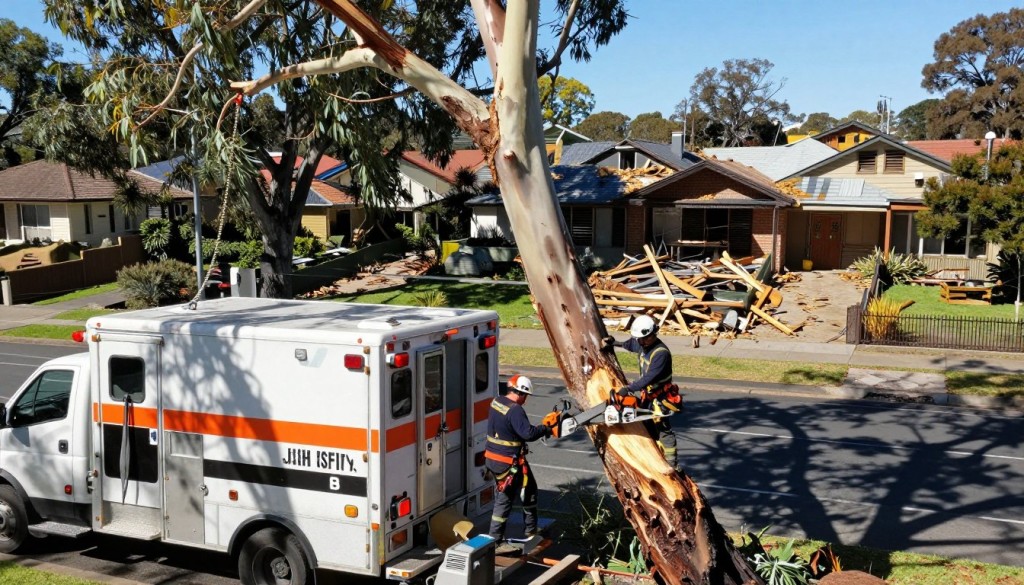
By prioritizing safety and working with experienced professionals, homeowners can navigate the tree removal process effectively.
Learning from the Experience
After navigating the process of documenting storm-damaged trees and filing insurance claims, it’s essential to reflect on the experience and prepare for future storms. Regular tree maintenance is crucial in preventing damage and ensuring the longevity of your trees.
Preventing Future Damage
To minimize the risk of tree damage during future storms, consider hiring certified arborists in Sydney to inspect and maintain your trees. They can identify potential hazards and provide recommendations for pruning or removal.
Regular Maintenance is Key
Regular tree maintenance not only enhances the aesthetic value of your property but also reduces the risk of damage. Engaging stump grinding specialists can help remove hazardous stumps, promoting a safer environment.
Resources for NSW Homeowners
Homeowners in NSW can benefit from various resources, including local government guidelines and professional arborist services. By staying informed and proactive, you can protect your property and ensure the health of your trees.